Heavy Equipment Appraisal

National USPAP-compliant heavy equipment appraisal services for the nation’s highest-stakes decisions. Delivering defensible machinery and equipment valuations required by SBA 7(a) lenders, the IRS, and federal legal teams in all 50 states.

Built to stand up to review.

USPAP-Compliant Nationwide Coverage Since 2009 Desktop / On-site / Hybrid Loans / Tax / Disputes Fast Turnaround

Priority quote request: fill out the form and we’ll confirm scope / pricing within 1 business day (usually faster). Prefer phone? Call (844) VAL-UATE.

Typical response within 1 business day.

Proudly Featured in:

What You Receive

A reviewer-ready machinery and equipment valuation report you can hand to a lender, CPA, auditor, or court (without back-and-forth).

1. Reviewer Summary Page

Intended use/users, scope, value premise, effective date, and the final conclusion → up front.

2. Scope & Inspection Disclosure

What was inspected (or not), by whom, and how condition was determined.

3. Equipment Identification & Specs

Serials, hours/miles, attachments, configuration, and photos.

4. Condition Documentation

Observed wear, functionality notes, and supporting photo evidence.

5. Market Support & Comps

Closed sales, auction results, and comparable transactions with source notes and relevance (listings only as secondary context).

6. Valuation Rationale & Adjustments

How comps were normalized for hours, year, condition, geography, and attachments – the core of any defensible equipment valuation.

7. USPAP Certification & Limiting Conditions

Signed certification, assumptions, and disclosures a reviewer expects.

If the number needs to be defended, our reports show the scope, evidence, and logic (not just a price).

Our USPAP Machinery & Equipment Valuation Process

We define the assignment first (use, users, value premise, and effective date), then scope the work and support the conclusion with market evidence. Delivered in a written, review-ready report.

Step 1 – Define the Assignment

We confirm intended use and intended users, set the value premise (Fair Market Value / Orderly Liquidation Value / Forced Liquidation Value / salvage), and lock the effective date.

Step 2 – Scope & Evidence Plan

We set scope (online equipment appraisal or on-site equipment appraisal) and document what was inspected (or not) and by whom. Then we collect IDs, photos, hours, and condition support.

Step 3 – Analyze & Deliver the Report

We apply the appropriate valuation methodology: Cost (replacement cost new minus depreciation), Sales Comparison (comparable market transactions), or Income, and reconcile the evidence to a final conclusion.

Full methodology and report structure here:

Equipment Appraisal Cost & Turnaround Time

Equipment appraisal cost and turnaround time are scoped to the assignment, so the report is defensible and not misleading about what was (and wasn’t) done. See our appraisal pricing and the key factors influencing equipment appraisal cost and turnaround time.

Your scope should match the assignment: intended use/users, effective date, and how much condition certainty the review requires. Choose Desktop when documentation is strong. Choose On-Site when condition is high-stakes, disputed, or hard to capture in photos.

Desktop (Remote)

  • Best for: single machines or small groups with strong photos/records
  • What you provide: asset list + IDs + photos + hours + location
  • Turnaround: Quote in 1 business day after intake; report timing depends on complexity
  • Cost drivers: completeness of documentation + number of units

Rush / Deadline-Driven

  • Best for: closings, month-end, court dates
  • What changes: prioritized scheduling + accelerated analysis/reporting
  • Turnaround: depends on scope + availability
  • Cost drivers: deadline + inspection requirement

On-Site

  • Best for: larger fleets, disputed condition, higher stakes review
  • What we do: inspect, photograph, verify serials/configuration
  • Turnaround: scheduled by location + fleet size
  • Cost drivers: travel + time on site + number of units

How pricing works:

We quote after confirming intended use/users, value premise, effective date, and scope (desktop vs on-site). Those decisions determine the level of inspection, evidence, and reporting detail required.

What drives price most:

  • Number of machines (and how clean the asset list is)
  • Desktop vs on-site inspection requirements
  • Effective date: current vs retrospective/prospective
  • Intended use/review standard (lender/IRS/litigation/internal)
  • Documentation quality (photos, serials, hours, attachments)
  • Geographic spread (single yard vs multiple locations)
  • Rush delivery / hard deadline

Desktop vs On-Site Appraisals

Equipment appraisal cost is scoped to the assignment, so the report is defensible and not misleading about what was (and wasn’t) done.

Scope Option #1

Desktop (Online) Equipment Appraisal

Best when you have clean records and strong photos. We value from verified market evidence and your documentation, then clearly disclose what was (and wasn’t) inspected so the report is reviewer-safe.

Best for:

  • Single machines or small groups in one location
  • Lender/CPA/internal planning where documentation is solid
  • Tight timelines when on-site scheduling isn’t practical
  • Assets with clear IDs, hours, and condition photos

What we need from you:

  • Asset list + serial/VIN (if applicable) + hours/miles
  • Photos (all sides + hour meter + serial plate + major wear points)
  • Location + attachments/configuration notes
  • Deadline + effective date
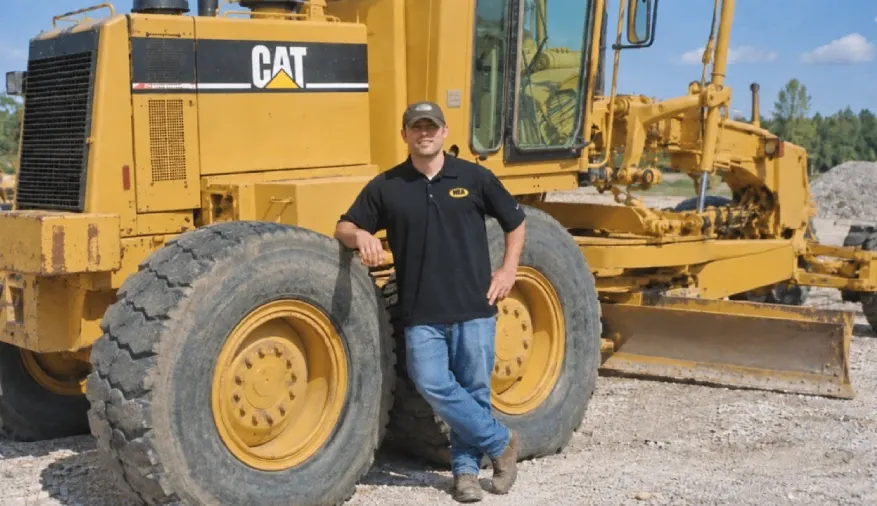
Professional appraiser wearing an Heavy Equipment Appraisal logo shirt, providing expert desktop and online equipment appraisal services for heavy machinery.
1 day

Typical quote turnaround after intake

44%

Desktop engagements

206,060

Units valued

Scope Option #2

On-Site Equipment Appraisal

Best when condition must be documented by the appraiser. We inspect in person, verify identifiers and configuration, document observed condition, then support the value conclusion with market evidence and explainable adjustments.

Best for:

  • Fleets, multi-unit schedules, or multiple locations
  • Higher-stakes reviews (SBA, litigation, disputes, insurance claims)
  • Questionable/unknown condition, incomplete photos, or missing IDs
  • Equipment with complex configuration or attachments that change value

What happens on-site:

  • Verify serials, hours, configuration / attachments
  • Photograph condition and key wear points
  • Note observable defects / limitations
  • Align evidence + adjustments to what was actually observed
Heavy Equipment Appraisal - about me
56%

On-site engagements

32

States/regions covered

35%

Rush requests

About Heavy Equipment Appraisal

$$$ BILLIONS worth of equipment appraised since 2009

We appraise heavy equipment, and only heavy equipment.

HEA is a USPAP-compliant heavy equipment and machinery valuation firm. Our reports are used by SBA lenders, commercial banks, CPAs, attorneys, and insurance professionals when the value conclusion needs to stand up to review.

We don’t buy or sell equipment, and we don’t run an auction house. Our job is to deliver an independent, supportable opinion of value with a clear scope, documented condition, and market evidence you can trace.

Since 2009, we’ve appraised 206,060 equipment units across 32 U.S. markets (from single machines to fleet portfolios) using the same field-to-report discipline we apply on every assignment.

Typical engagements include lending, tax/estate, buy/sell, litigation, insurance, and internal planning. Scoped to the intended use, intended users, and effective date.

Rhett Crites, heavy equipment appraiser, reviewing a machine in the field as part of a USPAP-compliant appraisal.
Rhett Crites — Founder & Certified Equipment Appraiser | Credentials | Contact
YEARS APPRAISING
EQUIPMENT VALUE

Heavy Equipment and Machinery Types We Appraise

Choose your category to start an appraisal quote and see what documentation we’ll need.

From construction equipment valuations to commercial truck appraisals and industrial machine assessments, every assignment follows the same USPAP-compliant process.

See a list of heavy equipment types we appraise.

Who Uses Our Appraisals

Our equipment appraisals are read, questioned and relied on by people who make real decisions with real consequences. Lenders, fleet owners, CPAs, attorneys, insurance teams and turnaround professionals use our numbers to document collateral, support negotiations and defend their position when the values are challenged.

Lenders and Credit Teams

SBA and commercial lenders use our equipment valuations to document collateral support, set advance rates, and justify loan decisions to internal credit committees and regulators. They need reports that clearly explain methods, data sources, and value conclusions.

What lenders look for in our reports:

  • Plain-language explanations they can share with credit and examiners
  • Clear identification of each asset and its role in the business
  • Market-supported values tied to recent sales and auction data
  • Explicit value type (fair market, orderly liquidation, forced sale, etc.)

Fleet Owners & Operators

Fleet owners and operators use machinery valuations to understand what their iron is really worth (beyond book numbers or dealer estimates). They need a realistic picture when they’re buying, selling, consolidating yards, or evaluating whether to hold, rebuild, or replace key units.

How fleet owners use our values:

  • Planning buy–sell or trade cycles for major machines
  • Comparing “run it longer” vs. replacement scenarios
  • Supporting internal capital allocation and budgeting
  • Documenting values for insurance schedules and risk reviews

CPAs & Financial Advisors

CPAs and financial advisors rely on asset appraisals when they need supportable numbers for financial statements, tax planning, and transaction work. They’re not looking for hype, they’re looking for a clear trail from assumptions to conclusions.

Where CPAs use equipment appraisals:

  • Purchase price allocations and business combinations
  • Estate, gift, and trust planning involving machinery-heavy businesses
  • Impairment testing and balance sheet reviews
  • Support for tax positions tied to equipment values

Attorneys & Legal Professionals

Attorneys and legal professionals use our appraisals when equipment values are central to a dispute or agreement. They need reports that can stand up to questioning, be understood by judges and mediators, and clearly separate facts, assumptions, and opinions.

Legal matters where our reports are used:

  • Shareholder and partner disputes involving equipment-heavy businesses
  • Divorce cases with significant machinery and fleet assets
  • Business breakups, buyouts, and forced sales
  • Litigation support where opposing parties disagree on value

Insurance Carriers & Risk Managers

Insurance carriers, adjusters, and risk managers use our equipment valuations to document values before a loss, support claims after an event, and validate whether existing schedules still reflect reality. They need clear, defensible numbers when negotiating with insureds, reinsurers, and internal stakeholders.

Where insurance teams use equipment values:

  • Establishing and updating equipment schedules and limits
  • Supporting loss and damage claims after fires, accidents, or weather events
  • Validating reported values during underwriting and renewals
  • Comparing repair, rebuild, and replacement scenarios for major units

Turnaround & Restructuring Professionals

Turnaround consultants and restructuring professionals rely on machinery and equipment appraisals when they’re stabilizing a distressed business, negotiating with lenders, or planning an orderly wind-down. They need a grounded view of what the iron is really worth under different scenarios, not just optimistic book numbers.

How turnaround teams use our reports:

  • Assessing collateral coverage for existing and proposed credit facilities
  • Prioritizing which assets to keep, idle, sell, or scrap
  • Supporting negotiations with lenders, investors, and key vendors
  • Modeling outcomes under fair market, orderly liquidation, and forced-sale assumptions

National Authority in USPAP-Compliant Equipment Appraisals

We provide defensible, heavy equipment valuations across the United States for lenders, legal professionals, and fleet operators. Our goal is to deliver a rigorous USPAP-compliant report that stands up to the highest institutional scrutiny (from SBA 7(a) requirements to IRS audits), regardless of where your assets are located.

Nationwide Strategic Coverage

We provide expert valuation services across all 50 states, bridging the gap between major metropolitan industrial hubs and remote rural operations.

  • Strategic Desktop Methodology: Our most efficient, data-driven approach. Ideal for rapid turnarounds when comprehensive specs and high-resolution photos are available.
  • On-Site Technical Inspections: Reserved for high-concentration fleets, complex asset conditions, or high-risk financing where physical verification is a mission-critical requirement.

Typical Asset Locations We Serve

We regularly partner with contractors, fleet managers, and industrial equipment operators situated in diverse environments across the country.

  • Industrial & Metro Hubs: From centralized corporate yards to heavy-use job sites in major regional corridors.
  • Rural & Agricultural Communities: We have deep experience valuing “Yellow Iron” and specialized machinery stored on farms, remote job sites, and private facilities.
  • Multi-Location Portfolios: Whether your fleet is in a single yard or spread across state lines, we provide a unified, scalable appraisal solution.

Proof / Case Results / Testimonials

Our equipment appraisal reports don’t just check a box, they get used in real decisions. SBA and community lenders, local governments, contractors, turnaround teams and donors have used our equipment appraisals to support lending, purchases, and charitable contributions. Here are a few examples of how our work has been put to use:

  • Community bank lending
    “I was very pleased with the speed and thoroughness of your work and will recommend you to others needing appraisal services.”

    Case result: Supported a loan modification for a local farm with collateral coverage of roughly 300% of the loan, using a desktop appraisal of ~90 pieces of equipment and trucks that satisfied internal audit, credit and appraisal review requirements.
    Don Parsons headshot
    Don Parsons
    VP (retired), Community Bank of the Chesapeake
  • Local government finance
    “The information provided was timely and assisted tremendously in our decision on the machine. We will look to Heavy Equipment Appraisal for future needs of our organization.”

    Case result: Enabled the Solid Waste Committee to purchase used Bomag compactors within the 5% price tolerance required by Tennessee law, based on a series of desktop appraisals on landfill compactors and a dozer documenting fair market value under Tennessee Code Annotated.
    Heavy Equipment Appraisal Review by Chad Marcum, White County finance director
    Chad Marcum
    Director of Finance, White County, TN
  • SBA / business lending
    “Thanks for the quick turn and the professional approach to getting this done for all concerned.”

    Case result: Allowed CRF to satisfy SBA requirements and close a business loan before month end, using a rush on-site appraisal of a 100+ unit excavation fleet after a prior desktop review was rejected by the SBA.
    Brian Burke testimonial
    Brian Burke
    VP of Business Lending (former), Community Reinvestment Fund
  • Construction contractor
    “I am looking to buy another machine and NEED your equipment appraisal services again.”

    Case result: Helped his credit union finance two used machines at prices thousands below supported fair market value, through desktop appraisals of a 2005 Ingersoll-Rand ZX-75 midi excavator and a 1995 Cat D3C LGP dozer that reinforced his negotiations.
    Brandon Keiffer, Construction Contractor, Tennessee
  • Non-profit & tax documentation
    “Their staff is very professional, responsive and detailed. We couldn’t be more pleased and highly recommend their services.”

    Case result: Documented a like-kind charitable contribution to a religious non-profit for income tax reporting, via a desktop appraisal of a low-hour 2007 Case 580M II loader backhoe and a completed IRS Form 8283.
    Stephen Farrow, Equipment owner making a charitable contribution
  • Turnaround / partner buyout
    “The report looks good to everyone. Thank you for being so professional and accommodating throughout the process.”

    Case result: Provided a USPAP-compliant third-party valuation to price a partner buyout, with an on-site appraisal of ~150 trucks, trailers, loaders, tractors and lifts in New Mexico that was shared with the owners’ attorney, accountant and lenders.
    Halo Services Inc logo
    Sheri Vaughn, Halo Services, Inc.

Equipment Value Guides (Real-World Market Data)

Use our Equipment Value Guides to sanity-check equipment market value by type, then step up to a USPAP appraisal when the number must be defended to a lender, court, IRS, or insurer. A guide is a fast market lens. A USPAP appraisal is a signed valuation report built for reliance.

How we build these guides:

  • Based on real appraisal work and observed market transactions
  • Uses recent auction results and verified sales as primary evidence
  • Highlights the key adjustment factors (year, hours, condition, options, region)
  • Reviewed by a certified heavy equipment appraiser

These guides are for market context, not a substitute for a USPAP-compliant appraisal report when the value needs to stand up to lender, IRS, litigation, or insurance review.

Use a guide for quick context, then request a certified appraisal when you need a defensible conclusion.

FAQ

If you’re skimming, start here.

These FAQs cover appraisal cost, scope, what we need from you, typical turnaround time, and the value drivers..

Or, call us at (844) VAL-UATE!

A heavy equipment appraisal determines the value (fair market value, orderly liquidation value, forced liquidation value) of machinery such as excavators, bulldozers, cranes, and loaders. Certified appraisers evaluate factors such as equipment age, condition, operating hours, market demand, and comparable sales to produce a documented valuation used for financing, insurance, taxation, resale, or legal disputes.

The main difference between Fair Market Value, Orderly Liquidation Value, and Forced Liquidation Value is the sale conditions and time allowed to sell the asset. Fair Market Value reflects a normal open-market sale. Orderly Liquidation Value assumes a limited but reasonable sale period of about 90–180 days. Forced Liquidation Value assumes an immediate auction or distressed sale, often within 30 days.

A heavy equipment appraisal typically costs $1,500 to $5,000 for a single machine or small equipment group. Large fleet appraisals can cost $5,000 to $25,000 depending on equipment quantity, inspection requirements, and report detail. Costs vary based on travel distance, equipment complexity, and whether the appraisal requires on-site inspection.

A heavy equipment appraisal typically takes 3–10 business days to complete. Single equipment appraisals often finish within 3–5 days, while large fleet appraisals may require 7–14 days depending on equipment quantity, inspection requirements, data collection, and report preparation. On-site inspections and travel time can extend the appraisal timeline.

Certified machinery and equipment appraisers use three primary valuation methods: the cost approach, the market approach, and the income approach. The cost approach estimates value by calculating replacement cost minus depreciation. The market approach compares recent sales of similar equipment. The income approach estimates value based on the equipment’s ability to generate future income.

Prepare equipment records, maintenance history, and ownership documents before an equipment appraisal. Provide the equipment make, model, serial number, year of manufacture, and operating hours. Include recent service records, purchase invoices, and photos showing equipment condition. Complete documentation allows appraisers to verify specifications and produce an accurate valuation.

SBA lenders require certified equipment valuations because the Small Business Administration’s own lending rules (published in SOP 50 10, Lender and Development Company Loan Programs) set specific collateral valuation thresholds that directly determine whether a loan qualifies as “fully secured” and whether the SBA will guarantee it.

“What is My Equipment Worth?”

Tell us what you own, where it’s located and why you need a heavy equipment appraisal. We’ll respond within one business day with pricing and next steps for a desktop or on-site assignment.