
Get a USPAP-Compliant Heavy Equipment Appraisal Report
For SBA lenders, courts, the IRS, insurance carriers, and fleet owners. Since 2009.
Typical turnaround: 5–10 business days. Rush available.

Priority quote request: fill out the form and we’ll confirm scope / pricing within 1 business day (usually faster). Prefer phone? Call (844) VAL-UATE.
Typical response within 1 business day.










Call Now
(844) VAL-UATE
Built to stand up to review.
Reports built for the people who push back on them.
Led by Rhett Crites, Certified Machinery and Equipment Appraiser (CMEA) through NEBB Institute and Certified Appraisers Guild of America (CAGA). USPAP-compliant. IRS-Qualified. Since 2009. See our credentials.


|
62-Machine Refinance |
SBA Rush Rescue |
Empire Cat |
Federal Litigation |
|---|---|---|---|
|
Reviewed by IberiaBank’s SBA group. Revised on the fly when the reviewer required documented on-site scope |
After a desktop review was rejected. Closed before month-end for Community Reinvestment Fund |
Last-minute equipment valuation for one of the largest Caterpillar dealers in the U.S. |
Retained as expert witness in Millennium Transit Services v. Arch Specialty Insurance |
The Work
Five files. Named clients. Named lenders. Public-record outcomes.
Not testimonials. Actual assignments.
The equipment, the people who reviewed the reports, and what happened after.
01 · E-Z EXCAVATING, INC.
Frederick, CO · SBA 7(a) collateral · 2012 · Community Reinvestment Fund (CRF)
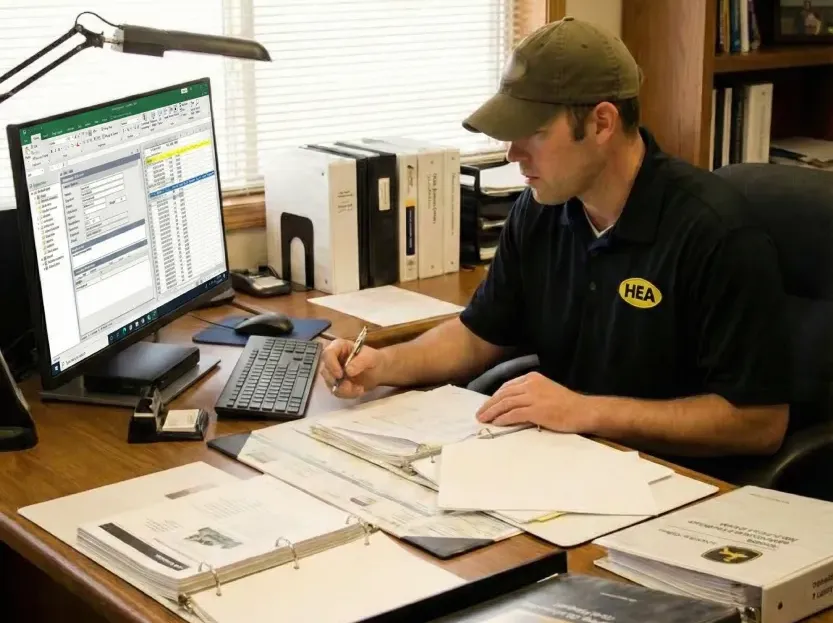
A 100+ unit excavation fleet. The SBA had rejected a prior desktop review. CRF needed a rush on-site report to close the loan before month-end. We delivered.

Thanks for the quick turn and the professional approach to getting this done for all concerned.
— Brian Burke, VP Business Lending (former), Community Reinvestment Fund
The report later survived an independent banker reference-check against a prior Ritchie Bros. valuation. We walked the reviewing banker through why a 2010 auction-database number wasn’t a defensible 2012 FMV comparison. The financing closed.
What happened after: E-Z went on to win the City of Arvada 2024 Water Main Replacement contract at $4.66M, later expanded by change order to $5.51M (Arvada Resolution R24-070), plus repeat infrastructure work for the Town of Firestone through 2025 (Firestone Resolution 22-62).
Today E-Z holds a BuildZoom score of 102 (top 11% of 55,949 Colorado licensed contractors), with 575 permits and $25.8M in public-record permitted work, and sits on Denver Water’s prequalified contractor list for water-main installation.
[Read the full E-Z Excavating file] → (coming soon)
02 · CLAYSTONE CONSTRUCTION
Fort Lupton, CO · Refinance · 2020 · IberiaBank
62 machines, Fair Market Value report delivered March 12, 2020. When the SBA reviewer required documented on-site scope and Orderly Liquidation Values (OLV) for items 2–52, we issued the OLV addendum without restarting the engagement.

Thanks for the good work.
— Mike Bond, Market President (former), IberiaBank (Also on the file: Jeff Jiron, SVP, and Debbie Barnaby, VP, SBA.)
Still active in 2026. Family-owned, A+ BBB, and a BuildZoom score in the top 16% of all Colorado licensed contractors, with active project bidding through 2026.
[Read the full Claystone Construction file] → (coming soon)
03 · EMPIRE CAT
Mesa, AZ · OEM/dealer equipment valuation · 2020
One of the largest Caterpillar dealers in the United States needed a rush valuation. We turned it the same week, including the intended-use and intended-user language their global remarketing operation needed for internal review.

I really appreciate you getting this accomplished on such a last-minute basis. We’ll likely use your services again.
— Rick Scott, Global Remarketing Manager (former), Empire Cat
Since then: Empire acquired Nevada Cat dealer Cashman Equipment in 2022, was named Equipment World‘s 2024 Big Iron Dealer of the Year, and ranked #10 on Forbes’ 2026 Best-in-State Companies in Arizona.
Now 4,500 employees across 30+ locations.
[Read the full Empire Cat file] → (coming soon)
04 · MILLENNIUM TRANSIT / ARCH INSURANCE
Roswell, NM · Roof-collapse loss appraisal · 2016 · ARCH Insurance Group / Engle Martin & Associates
Roof collapse, water damage, freeze damage at a former bus manufacturing facility. Machine shop equipment and electric forklifts – some trapped under the collapsed wall, some with frozen and leaking batteries. We separated functional equipment from total-loss items without ordering new batteries the insurer didn’t want to buy.
We developed Actual Cash Value and Salvage opinions for the carrier.
What happened after: the claim entered federal litigation. We were retained as expert witness in Millennium Transit Services, LLC v. Arch Specialty Insurance Co., defense by Kristin Cummings at Zelle LLP.
[Read the full Millennium Transit file] → (coming soon)
05 · CARDER, INC.
Lamar, CO · 330 Dredge Barge · 2014 · Specialty equipment valuation
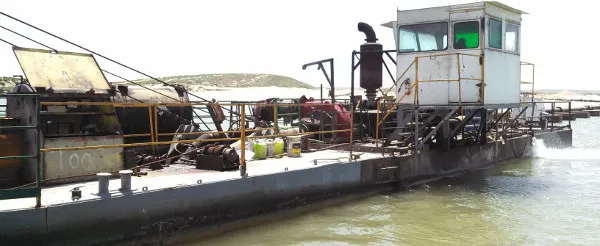
We took a boat to reach it.
The buyer pool for a dredge barge isn’t a skid steer’s auction comp file. The market is narrower, the configuration matters more, and the transport problem is part of the value. The report had to explain why, not just how much.
[Read the full Carder file] → (coming soon)
Machinery And Heavy Equipment Types We Appraise







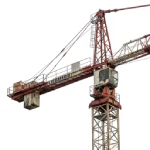
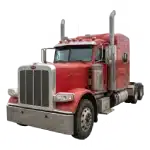
We’ve signed reports for SBA collateral coverage, federal court matters, IRS Form 8283 charitable contributions, partner buyouts, and state contractor prequalification, on portfolios ranging from single machines to 400+ unit fleets.
See a list of heavy equipment types we appraise.
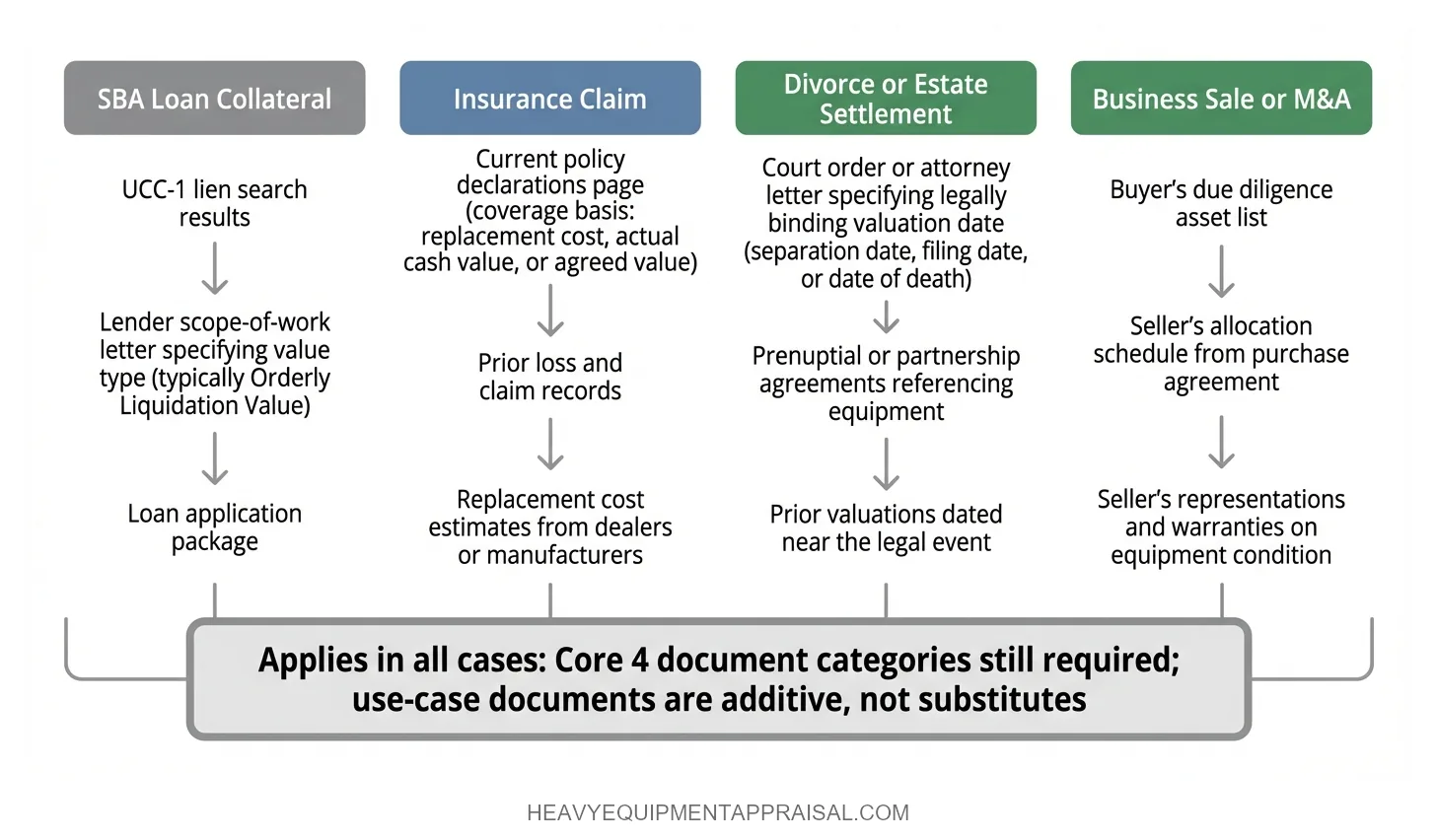
Who Reads These Reports (and What They Push Back On)
Every appraisal we deliver is built knowing exactly who’s about to question it.
SBA Lenders
SBA lenders and the SBA’s Office of Credit Risk Management check first that the scope was correctly documented (was the inspection on-site or desktop, and does the report say so explicitly?), then that the valuation premise matches the intended use (Fair Market Value for collateral, Orderly Liquidation Value for default scenarios), then that comp selection and condition documentation hold up under SOP 50 10 review.
Our reports name the scope, name the premise, and document condition with photographs, hour and mileage readings, and inspection notes that reviewers don’t have to chase.
CPAs & Financial Advisors
CPAs and financial advisors consume our appraisals as input to purchase price allocations under ASC 805, estate and gift tax filings, impairment testing under ASC 360, and tax positions tied to equipment value.
What they push on:
- Whether the value premise matches the accounting standard (fair value vs. fair market value)
- Whether the methodology supports the conclusion under audit
- Whether the report contains the disclosures their auditor will look for
Our reports specify the standard, name the methodology applied to each unit, and document the cost / sales comparison / income approach reconciliation explicitly.
IRS
The IRS scrutinizes whether the appraiser meets the qualified appraiser definition under Treasury Regulations §1.170A-17, whether Form 8283 is completed correctly for charitable-contribution donations, and whether methodology supports the claimed value.
Rhett Crites is IRS-Qualified.
Our charitable-contribution and estate work documents independence explicitly in every engagement that touches a tax filing.
Legal Professionals
Courts and opposing counsel push back on the appraiser’s CV, the methodology’s defensibility under Daubert v. Merrell Dow Pharmaceuticals, and any prior testimony in conflict. We’ve been retained as an expert witness in federal first-party insurance litigation.
The report we deliver is the report we’ll defend under cross-examination: same numbers, same reasoning, same exhibits.
Insurance Professionals
Insurance carriers and independent adjusters focus on:
- Valuation premise (Actual Cash Value vs. Replacement Cost Value vs. functional value)
- Depreciation methodology
- Salvage opinions
And they push hard on whether the appraiser separated functional equipment from total-loss items before extending depreciation across the file.
Our carrier work, including roof-collapse losses involving frozen-battery forklifts and water-damaged shop equipment, has been used in both settlement and litigation.
Turnaround Professionals
Turnaround and restructuring professionals use our values in workouts, distressed asset sales, and lender negotiations where the conclusion has to model multiple liquidation premises simultaneously.
What they push on:
- Whether Fair Market Value, Orderly Liquidation Value, and Forced Liquidation Value are differentiated correctly per holding-period assumptions
- Whether the report supports both going-concern and wind-down scenarios
- Whether comp selection is appropriate for a forced-timeline disposition
Rhett is active in the Turnaround Management Association (TMA).
What You Receive
A reviewer-ready machinery and equipment valuation report you can hand to a lender, CPA, auditor, or court (without back-and-forth).
1. Reviewer Summary Page
Intended use/users, scope, value premise, effective date, and the final conclusion → up front.
2. Scope & Inspection Disclosure
What was inspected (or not), by whom, and how condition was determined.
3. Equipment Identification & Specs
Serials, hours/miles, attachments, configuration, and photos.
4. Condition Documentation
Observed wear, functionality notes, and supporting photo evidence.
5. Market Support & Comps
Closed sales, auction results, and comparable transactions with source notes and relevance (listings only as secondary context).
6. Valuation Rationale & Adjustments
How comps were normalized for hours, year, condition, geography, and attachments – the core of any defensible equipment valuation.
7. USPAP Certification & Limiting Conditions
Signed certification, assumptions, and disclosures a reviewer expects.
If the number needs to be defended, our reports show the scope, evidence, and logic (not just a price).
Five Jobs Cost Us Money to Turn Down Every Year. Here Is Each One.
We have held the same five operating principles since 2009. Each one costs us paying work. All five line up with the USPAP Ethics Rule, NEBB’s Code of Ethics, and ASA’s Principles of Appraisal Practice and Code of Ethics.
1. The value follows the evidence.
Sometimes that means the report lands higher than the client expected, because their depreciation schedule was off. Sometimes lower, because their hour meters were wrong.
If a client tells us what the value needs to be before the analysis happens, the engagement ends there.
NEBB, USPAP, and ASA each prohibit a Certified Machinery and Equipment Appraiser from accepting an assignment with a predetermined opinion, in either direction.
2. Our fee never depends on what we conclude.
We quote on scope, units, geography, inspection level, and turnaround. Never on what the file is about to be worth. NEBB makes this explicit:
“A CMEA is NEVER PERMITTED to charge a fee based on a percentage of the equipment’s value.”
USPAP’s contingent-compensation prohibition says the same.
3. The appraisal is the only thing we advocate for.
The client pays us. We deliver a value opinion that ignores what the client wants that opinion to be. NEBB names this directly:
“A CMEA is an advocate only of the appraisal, not of any person or entity.”
ASA states the principle in shorter form: ethical considerations must supersede economic considerations.
4. We won’t sign a desktop on a file that needs on-site.
Where condition materially affects value, a desktop report costs the client the entire engagement when the reviewer asks how condition was confirmed. We put eyes on the equipment or we decline the file.
USPAP’s Competency Rule frames the same three options:
5. Heavy Equipment Only
A generalist’s methodology gap is exactly what the second reader catches. USPAP’s Competency Rule allows three responses to an assignment outside specialty. We pick the third for everything outside heavy equipment.
Led By Rhett Crites
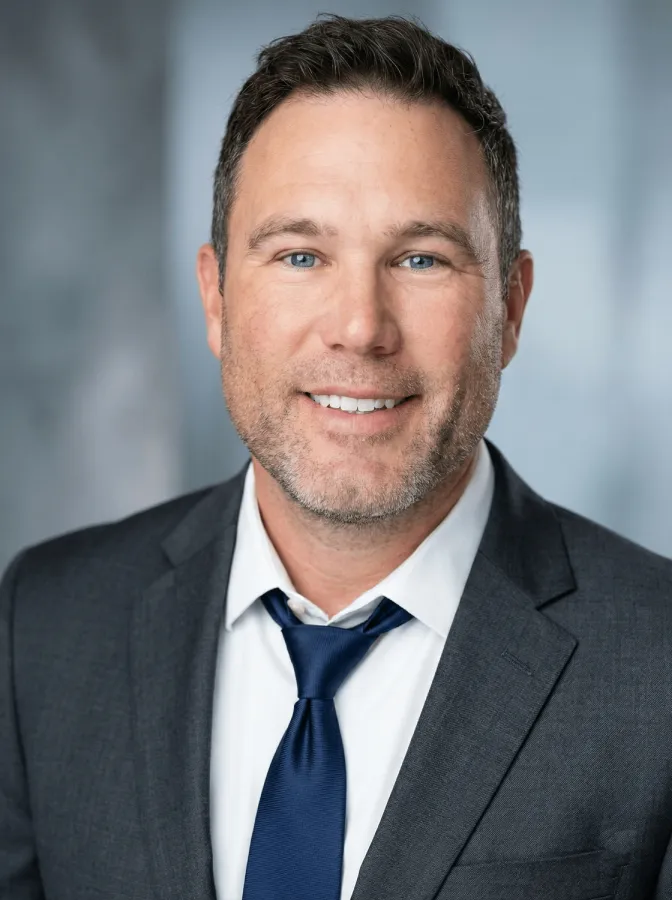
Heavy Equipment Appraisal is led by Rhett Crites, a Certified Machinery and Equipment Appraiser (CMEA) through NEBB Institute and a member of the Certified Appraisers Guild of America (CAGA).
Of the 1,438 cataloged U.S. equipment appraisers, fewer than 7% hold the CMEA, and a smaller subset hold multiple designations.
USPAP-compliant. IRS-Qualified. 30+ years combined in the heavy equipment industry.
Founded the firm in 2009 to do one thing without distraction: appraise heavy equipment for the people who have to defend the number in front of someone harder to convince than they are.
[More about Rhett →]
FAQ
If you’re skimming, start here.
These FAQs cover appraisal cost, scope, what we need from you, typical turnaround time, and the value drivers..
Or, call us at (844) VAL-UATE!
Tell us what equipment you have, where it is, and what decision the appraisal needs to support. We’ll come back within one business day with scope, fee, and turnaround.
Prefer to talk first? Call (844) VAL-UATE (that’s (844) 825-8283).