
Forklift Cost in 2026: New vs Used Price Ranges

We track forklift cost trends so you can stay current whether you’re buying, selling, or benchmarking a deal.
A forklift typically costs $5,000 to $45,000+ in 2026. Older 3,000–5,000 lb used units often land around $5,000–$20,000, late-model used 5,000–6,500 lb trucks commonly run $14,000–$30,000, and new standard counterbalance forklifts are usually $20,000–$45,000+.
Forklift value swings with triplex/free-lift mast setup, lithium-ion vs lead-acid battery spec, and attachments like a side shifter or fork positioner.
- Forklift cost: $5,000–$20,000 older used; $14,000–$30,000 late-model used; $20,000–$45,000+ new standard
- Key value factors: triplex/free-lift mast height + lithium-ion vs lead-acid battery + side shifter/fork positioner attachments
Understanding Forklift Types and Their Price Ranges
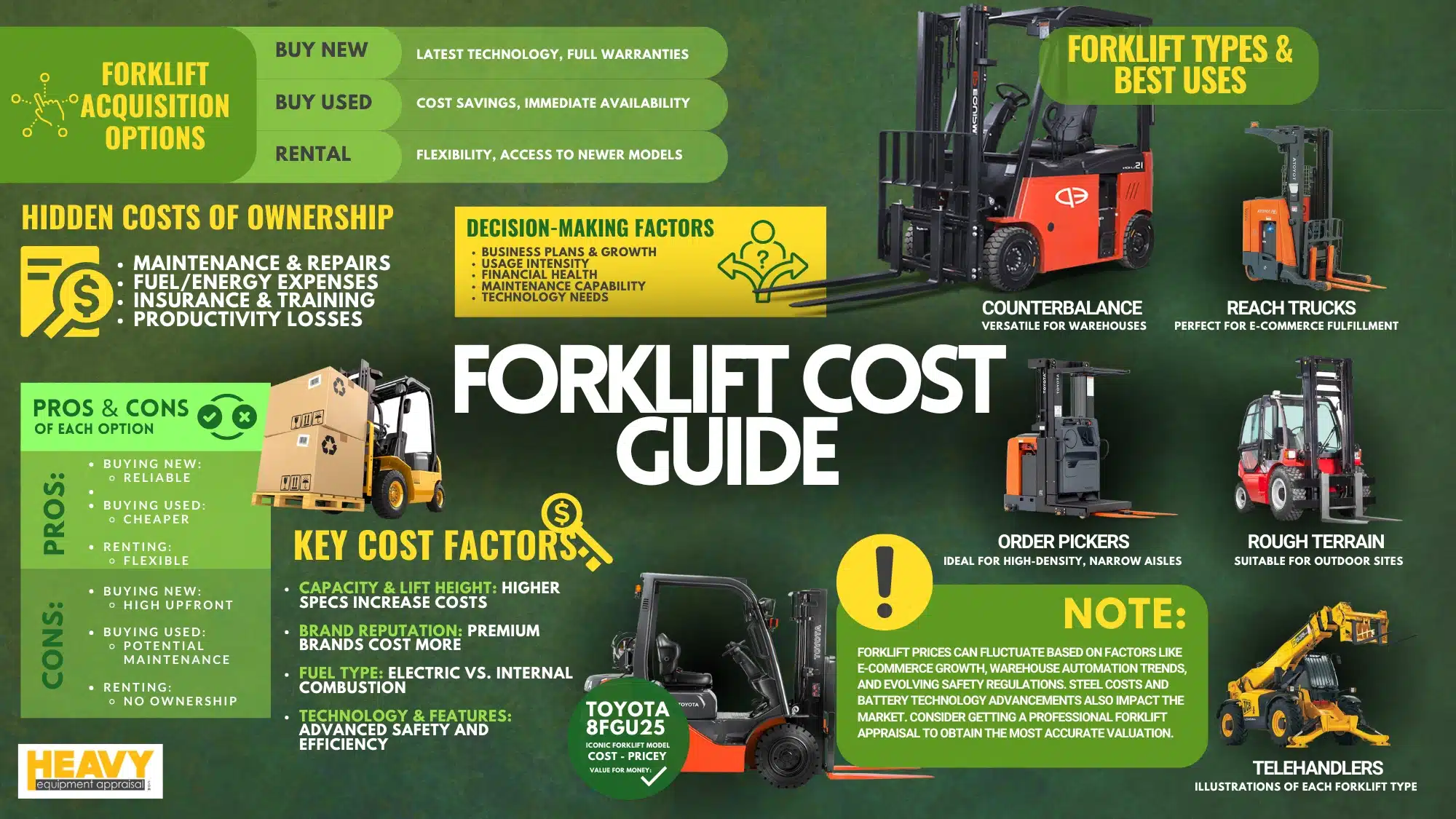
Forklifts come in various types, each designed for specific applications and environments. The right choice depends on your operational requirements and workplace conditions. Below is a summary of the main forklift types:
Counterbalance Forklifts
The most common type, featuring forks at the front and a weight at the rear to counterbalance the load. Available in electric and internal combustion (IC) variants.
- Weight Range: 3,000 to 80,000+ lbs capacity
- Price Range (New): $20,000 - $100,000+
- Best For: Versatile use in warehouses, manufacturing, and retail, such as Walmart distribution centers or Toyota manufacturing plants
- Advantage: All-purpose functionality for loading/unloading trucks and moving pallets in various environments
Reach Trucks
Designed for narrow aisles and high stacking in warehouses. Features an extendable mast for reaching high shelves.
- Weight Range: 3,000 to 5,500 lbs capacity
- Price Range (New): $30,000 - $55,000
- Best For: High-density warehouses and distribution centers, like Amazon fulfillment centers or Costco warehouses
- Advantage: Maximizes vertical storage in narrow aisles for high-density racking
Order Pickers
Specialized forklifts for order fulfillment, allowing operators to ride up with the forks to pick individual items.
- Weight Range: 2,000 to 3,000 lbs capacity
- Price Range (New): $30,000 - $50,000
- Best For: E-commerce fulfillment centers and parts warehouses, such as Zappos.com facilities or auto parts distribution centers
- Advantage: Enables efficient piece-picking for individual orders, reducing fulfillment times significantly
Rough Terrain Forklifts
Built for outdoor use on uneven surfaces, featuring large pneumatic tires and higher ground clearance.
- Weight Range: 6,000 to 35,000 lbs capacity
- Price Range (New): $50,000 - $100,000
- Best For: Construction sites, lumber yards, and outdoor applications, like Caterpillar construction sites or Georgia-Pacific lumber yards
- Advantage: Maintains productivity on uneven surfaces, with some models capable of operating on significant inclines
Telehandlers
While telehandlers share similarities with forklifts (like lifting and moving heavy loads), they are technically a different type of machine...
So, while they both fall under the broader category of "material handling equipment," a telehandler isn't strictly a "forklift" in the traditional sense. It's more of a cousin with some extra capabilities!
Specialized Types
Several specialized forklift types cater to specific operational needs:
- Walkie Stackers: Compact, walk-behind units for light-duty stacking in small retail backrooms like those at Best Buy
- Pallet Jacks: Manual or powered units for moving pallets short distances, essential in grocery stores like Kroger or Safeway
- Side Loaders: Long load handling in narrow aisles, utilized in steel mills and lumber yards for efficient material handling
When choosing a forklift, consider factors such as load capacity, lift height, aisle width, and operating environment. The type and size of forklift significantly impact its price and capabilities, so it's essential to match the machine to your specific needs for optimal efficiency and cost-effectiveness.
Factors Influencing Forklift Pricing
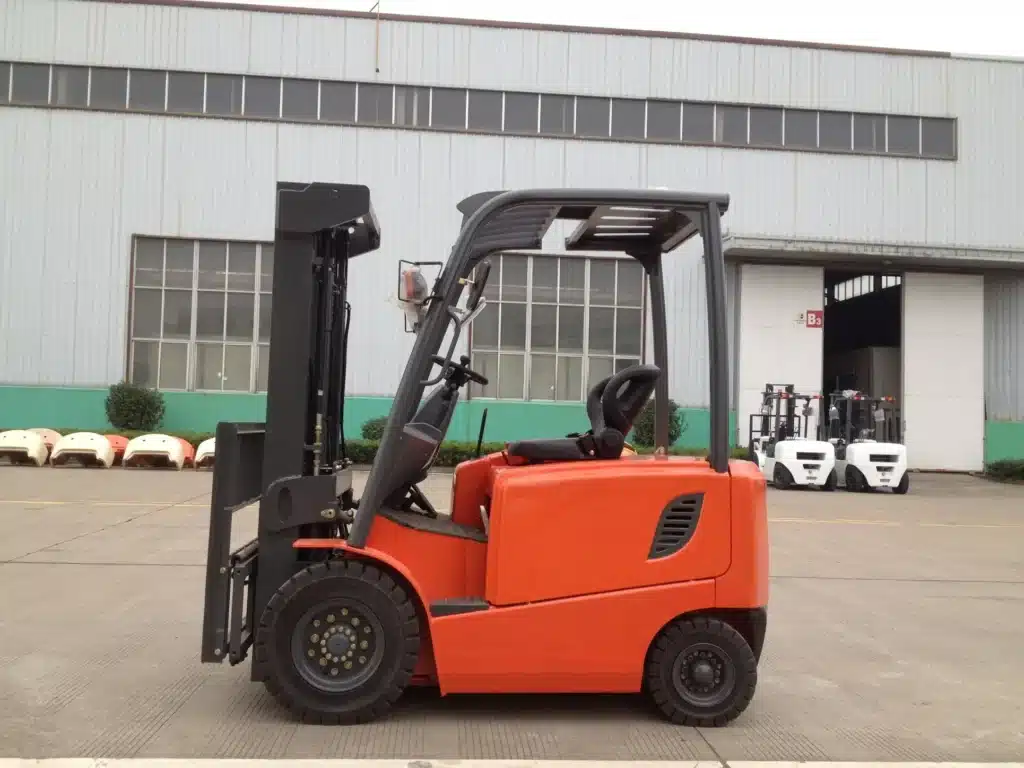
Several key factors can significantly impact the cost of a forklift:
Capacity and Lift Height
The lifting capacity and maximum lift height are primary cost determinants. Forklifts with higher capacities and lift heights generally come with higher price tags.
Higher capacities and taller masts generally cost more, and the jump is most noticeable when moving into higher-capacity classes or specialty mast configurations.
Brand Reputation
Well-established brands like Toyota, Crown, and Hyster often command premium prices due to their reputation for quality, reliability, and after-sales support.
Premium brands often command higher prices based on perceived reliability, parts support, and dealer network coverage.
Fuel Type
The choice between electric and internal combustion engines significantly impacts both initial and long-term costs.
Electric and internal combustion trucks price differently by class and spec, so compare quotes for comparable capacity, mast, tires, and duty cycle, but offer lower operating expenses. For example, a new electric Linde E20 might cost $45,000, while a comparable IC model could be around $35,000.
Technology and Features
Advanced technologies such as telematics systems, advanced safety features, and ergonomic designs can add to the cost but may improve efficiency and safety.
Telematics, advanced safety systems, and operator-assist features can increase the purchase price, but their value depends on your utilization and safety requirements.
Attachments and Customization
Attachments, specialty masts, and custom configurations can raise the purchase price, so price the truck with the exact options you actually need.
Consider which attachments are essential for your operations when budgeting.
Age and Condition
For used forklifts, model year, hours, service history, and observed condition are major price drivers, with newer lower-hour units typically selling for more. A 1-3 year old forklift might cost 70-80% of the new price, while a 5+ year old model might be 40-60% of the new price.
Well-maintained older machines can offer good value but may require more frequent maintenance.
| Factor | Impact on Cost | Considerations |
|---|---|---|
| Capacity and Lift Height | High | Operational requirements, facility constraints |
| Brand Reputation | Medium to High | Reliability, resale value, dealer support |
| Fuel Type | High | Long-term operational costs, environmental concerns |
| Technology | Medium to High | Productivity gains, safety improvements |
| Attachments | Variable | Operational versatility, specific task needs |
| Age and Condition | Medium to High | Maintenance needs, technology updates |
As we move into examining new forklift prices, keep in mind that these influencing factors play a significant role in determining the cost of brand-new machines across different categories and brands.
New Forklift Pricing: What to Expect
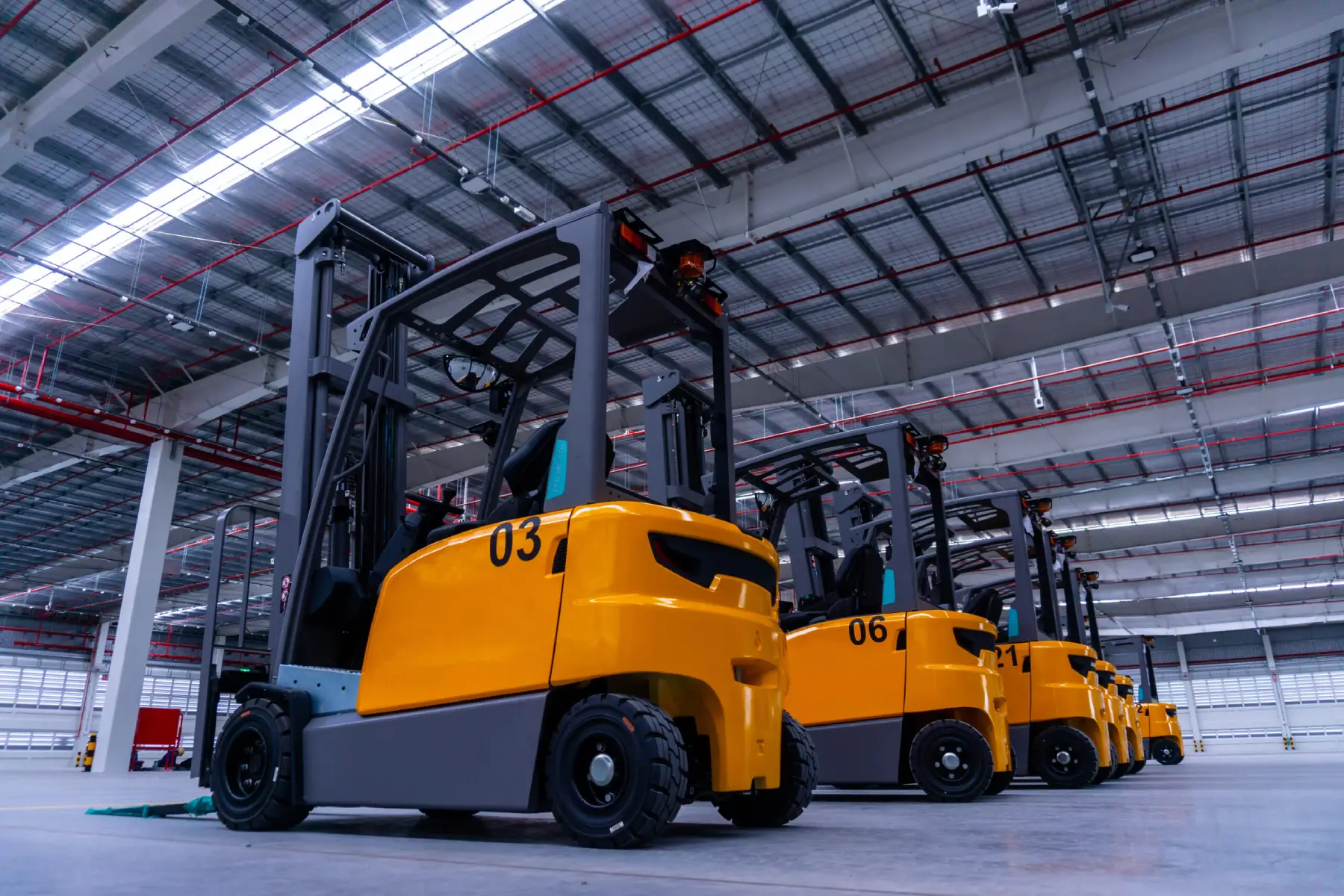
Here are the approximate new forklift price ranges across different categories:
Standard Counterbalance Forklifts (3,000-6,500 lbs capacity): $20,000 - $45,000
These models often include features like ergonomic operator compartments, advanced display systems, and programmable performance settings:
- Toyota 8FGU25: $32,000 - $38,000
- Hyster H50XT: $28,000 - $35,000
- Yale GP050VX: $30,000 - $36,000
High-Capacity Forklifts (10,000+ lbs): $60,000 - $100,000+
These forklifts typically offer reinforced masts, heavy-duty axles, and advanced hydraulic systems for handling extreme loads:
- Caterpillar DP100N: $75,000 - $90,000
- Linde H100D: $80,000 - $95,000
- Kalmar DCG100-6: $85,000 - $100,000
Electric Reach Trucks: $30,000 - $55,000
Reach trucks often feature high-lift capabilities, narrow aisle designs, and advanced battery management systems:
- Crown RM 6000: $40,000 - $50,000
- Raymond 7500: $35,000 - $45,000
- Jungheinrich ETR 340: $38,000 - $48,000
When comparing quotes, make sure each forklift is priced with the same mast, tires, attachments, and safety or telematics options so you’re comparing like for like, which can add 5-20% to the base price. The final cost will depend on specific configurations, attachments, and any additional technologies requested by the buyer.
Next, we'll explore the market for used forklifts, which offers a range of options for buyers with different budget considerations.
The Used Forklift Market: Savings and Considerations
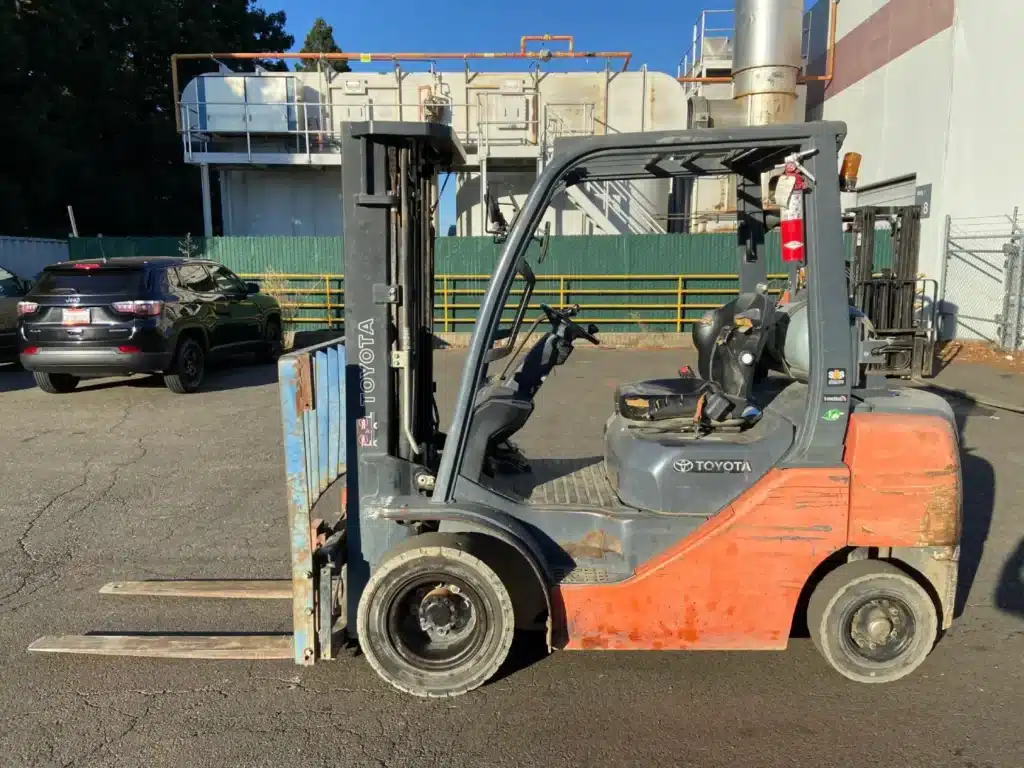
The used forklift market can offer meaningful savings versus new, but pricing depends heavily on hours, condition, and configuration.
Standard models typically range from $5,000 to $25,000, making forklift ownership more accessible for companies with budget constraints or seasonal needs.
Factors Affecting Used Forklift Prices
The price of a used forklift is influenced by several key factors:
- Age: Newer models typically sell for more than older units, especially when hours are low and maintenance records are strong, while those over 10 years old may sell for just 30-40% of their original cost.
- Condition and hours of use: Well-maintained units with lower hours naturally command higher prices.
- Brand reputation: Premium brands like Toyota or Crown often retain their value better than lesser-known manufacturers.
- Fuel type: Electric models may fetch higher resale values due to lower operating costs and increasing popularity in environmentally conscious markets.
Where to Find Reliable Used Forklifts
Several reputable sources offer quality used forklifts:
- Online Marketplaces: Websites like IronPlanet and ForkliftTrader.com specialize in used material handling equipment.
- Authorized Dealers: Many major forklift brands have authorized dealers selling certified pre-owned equipment. G&W Equipment is an authorized dealer for CAT, Mitsubishi, and Jungheinrich forklifts in the Carolinas and Georgia.
- Government Auctions: GovPlanet offers used forklifts from government surplus. They currently have listings for various brands like Doosan and Hyster, with some models starting as low as $100.
- Local Dealerships: Local dealers often have a selection of used forklifts. Many not only sell used forklifts but also buy them, potentially offering good deals on trade-ins.
- Equipment Auctions: Both online and in-person auctions can be great sources. Ritchie Bros. Auctioneers, for example, regularly features forklift auctions with a wide range of makes and models.
Many of these sources, particularly authorized dealers, offer certified pre-owned forklifts with limited warranties, providing additional peace of mind for buyers. For instance, G&W Equipment offers certified pre-owned forklifts with carriage-to-counterweight warranties.
Inspecting a Used Forklift Before Purchase
When considering a used forklift, a thorough inspection is crucial to ensure you're making a sound investment.
Start by examining the overall condition, looking for signs of wear or damage that might indicate heavy use or poor maintenance. Pay close attention to the mast, ensuring it operates smoothly and shows no signs of hydraulic leaks.
For electric models, the battery condition is particularly important. With a typical lifespan of 5-7 years under proper maintenance, the battery's age and condition can significantly impact the forklift's value and future operating costs.
Don't forget to review maintenance records and service history, as these can provide valuable insights into how well the forklift has been cared for over its lifetime.
Here's a comparison of new vs. used forklifts:
| Aspect | New Forklift | Used Forklift |
|---|---|---|
| Initial Cost | Higher | Up to 60% less |
| Availability | May require wait time | Often immediate |
| Customization | Fully customizable | Limited options |
| Warranty | Full manufacturer warranty | Limited (e.g., 30-90 days) |
| Depreciation | Rapid initial depreciation | Slower depreciation rate |
| Technology | Latest features | May lack newest innovations |
While used forklifts offer significant savings, they may require more frequent maintenance and lack the latest technological advancements. It's important to weigh these factors against the initial cost savings when making a decision.
For businesses unsure about their long-term needs or facing temporary budget constraints, renting a forklift provides another option worth considering. This leads us to our next topic: the pros and cons of forklift rental as either a short-term solution or a long-term strategy.
Renting Forklifts: Short-Term Solution or Long-Term Strategy?
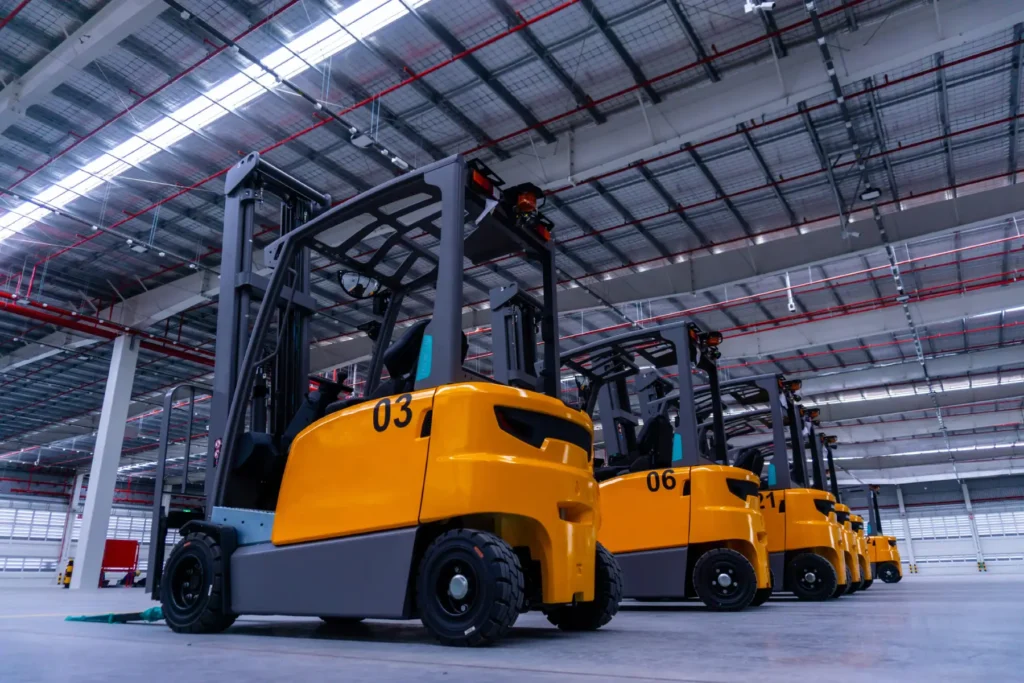
Forklift rental offers businesses flexibility to meet their material handling needs without the long-term commitment of purchasing. The costs vary based on the forklift's capacity and the rental duration.
Daily, Weekly, and Monthly Rental Rates
According to recent data, forklift rental rates in 2026 are as follows:
| Rental Period | Low Capacity (3,000 lbs) | Medium Capacity (5,000 lbs) | High Capacity (10,000 lbs+) |
|---|---|---|---|
| Daily | $160 | $175 | $225 |
| Weekly | $480 | $525 | $675 |
| Monthly | $1,000 | $1,500 | $2,000 |
These rates provide a general guideline, but actual prices may vary based on location, specific model features, and current market conditions.
Benefits of Forklift Rental
Renting forklifts offers several advantages:
- Flexibility to meet changing demands
- Access to the latest models and technology
- Reduced maintenance costs
- Potential tax benefits as an operational expense
- Preservation of credit lines for other business needs
When Renting Makes Sense for Your Business
Forklift rental is ideal for various scenarios. Short-term projects often benefit. If a company needs more material handling capacity for a few months, renting provides a solution. It allows scaling up without a long-term purchase commitment.
Seasonal demands are another reason to rent. Retailers with holiday rushes or farms with harvest seasons can expand their fleet temporarily. This helps them meet peak demands without overinvesting in equipment.
Renting allows businesses to test equipment before buying. This try-before-you-buy approach helps companies assess forklift models. It ensures an informed choice based on real-world experience.
Companies with evolving needs benefit from the agility of renting. They can adjust their equipment as requirements change. This flexibility is valuable in industries with rapid growth or shifting demands. Long-term equipment commitments could become obsolete quickly.
Renting offers advantages. However, businesses must evaluate their long-term needs:
For ongoing, stable forklift requirements, other options like leasing or purchasing might prove more cost-effective. The next section explores leasing as an alternative that bridges the gap between the flexibility of renting and the commitment of buying.
Forklift Leasing Options: An Alternative to Buying
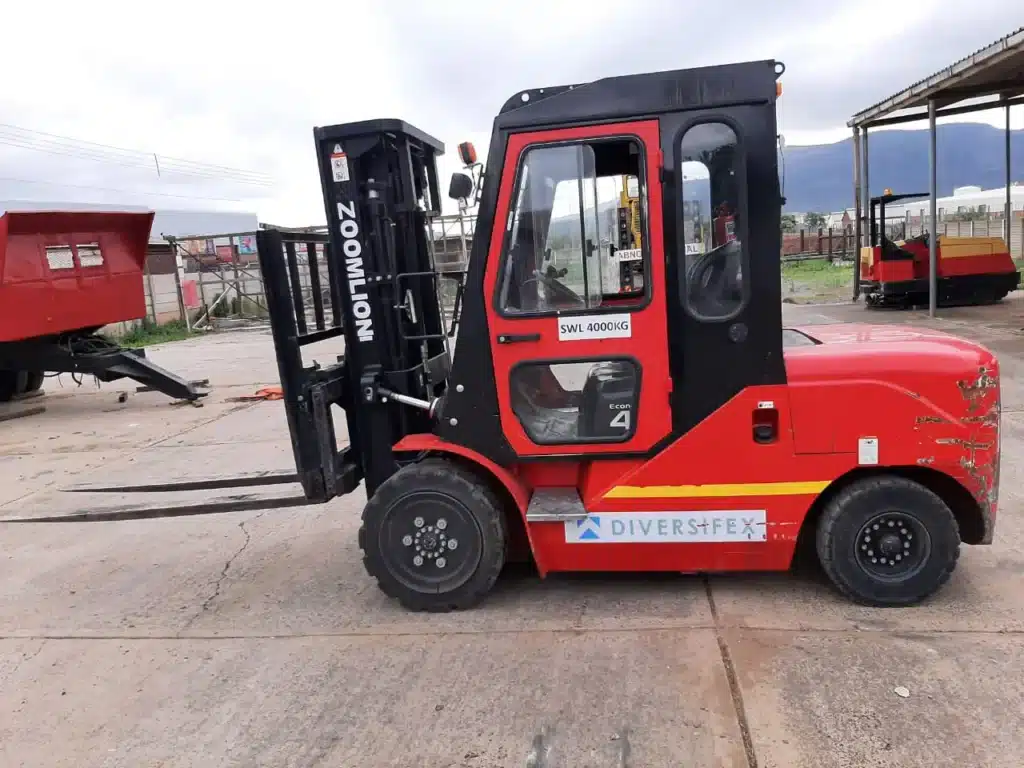
Forklift leasing offers a middle ground between buying and renting, allowing businesses to access new equipment without the substantial upfront cost of purchasing. Typical lease terms range from 36 to 60 months, with monthly payments generally lower than those associated with buying.
Two primary forklift lease options are available:
- $1 Buyout Option: Ideal for businesses planning long-term use with the intention of ownership. This option typically involves higher monthly payments but allows you to purchase the forklift for $1 at the end of the lease term.
- Fair Market Value (FMV) Lease: Offers lower monthly payments but doesn't result in ownership at the end of the term. Instead, you have the option to buy the forklift at its fair market value, return it, or extend the lease.
When considering forklift financing, it's crucial to assess your business needs comprehensively. Factor in daily operational requirements, usage patterns, and how your work environment might impact the equipment. Remember that the total cost of a forklift extends beyond monthly payments to include maintenance, fuel, and potential overtime costs.
Forklift lease rates are influenced by several factors:
- Purchase price of the forklift
- Interest rate
- Lease term length
- Expected usage hours
As a general guideline, monthly lease payments often amount to approximately $20 for every $1,000 financed. For instance, a $20,000 forklift might incur a monthly lease payment of around $400. However, actual rates can vary based on the specific terms and the lessee's credit profile.
When weighing leasing against buying, consider the forklift's lifetime cost. Leasing offers advantages such as easier equipment upgrades and potential tax benefits. Some businesses find that leasing allows them to allocate capital to other areas of their operations while still maintaining access to necessary equipment.
We recommend chatting with a reputable forklift dealer to determine the most suitable option for your business and budget. They can provide detailed comparisons of leasing versus buying scenarios tailored to your specific needs and financial situation.
While leasing can be an attractive option, it's important to be aware of all costs associated with forklift operation, including those that might not be immediately apparent. This brings us to...
Hidden Costs of Forklift Ownership
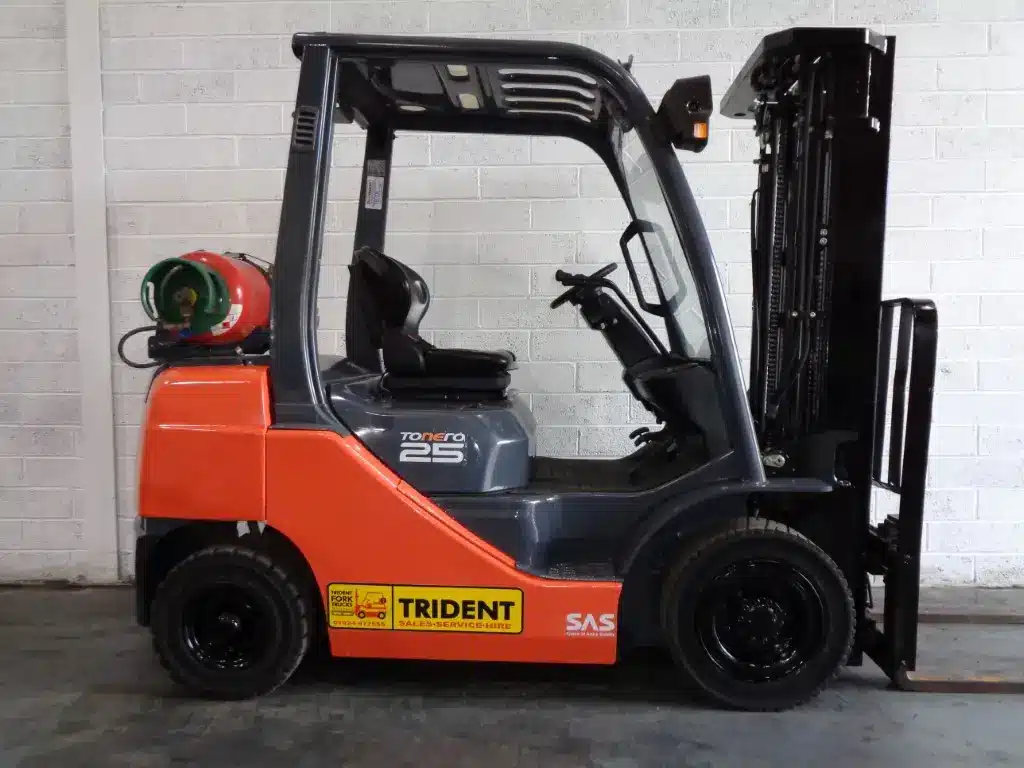
Several hidden costs of forklift ownership can significantly impact your total investment over time. Let's explore these often-underestimated expenses:
Maintenance and Repair Expenses
Regular maintenance is crucial for forklift longevity and safety. For internal combustion (IC) forklifts:
- Oil changes (every 250 hours): Approximately $75 each
- Air and fuel filter replacements (every 500 hours): Around $60
- Annual hydraulic fluid changes and filter replacements: About $180
A comprehensive planned maintenance program can cost around $300 per visit. Generally, annual maintenance costs range from 10% to 20% of the forklift's purchase price.
Fuel and Energy Costs
Fuel costs vary significantly depending on the forklift type:
- Propane forklifts: $1,500 to $3,500 annually
- Diesel forklifts: $5,000 to $7,000 yearly
- Electric forklifts: $500 to $1,000 in annual energy costs
Electric forklifts offer the lowest energy costs but may require additional expenses for battery maintenance and eventual replacement.
Insurance and Training Costs
Forklift insurance typically ranges from $500 to $2,000 per year, depending on factors like the forklift's value, usage, and your company's claims history.
Training costs are another crucial consideration. OSHA-mandated training, essential for compliance and safety, costs between $150 and $200 per person. Refresher courses and training for new employees should also be factored into your budget.
Here's a summary of these annual costs:
| Cost Type | Annual Range |
|---|---|
| Maintenance | 10-20% of purchase price |
| Fuel (Propane) | $1,500 - $3,500 |
| Insurance | $500 - $2,000 |
| Training (per person) | $150 - $200 |
Additional hidden costs may include:
- Downtime costs during repairs or maintenance
- Productivity losses due to aging equipment
- Costs associated with workplace accidents or injuries
- Expenses related to compliance with changing regulations
As we've explored the various aspects of forklift costs - from initial purchase prices to hidden long-term expenses - it's clear that choosing the right acquisition method depends on a complex interplay of factors.
In our final section (for all you skip-to-the-enders), we'll synthesize this information to help you pick between buying new, buying used, or renting forklifts for your business.
Forklift Cost Decision Time: New vs. Used vs. Rent Showdown
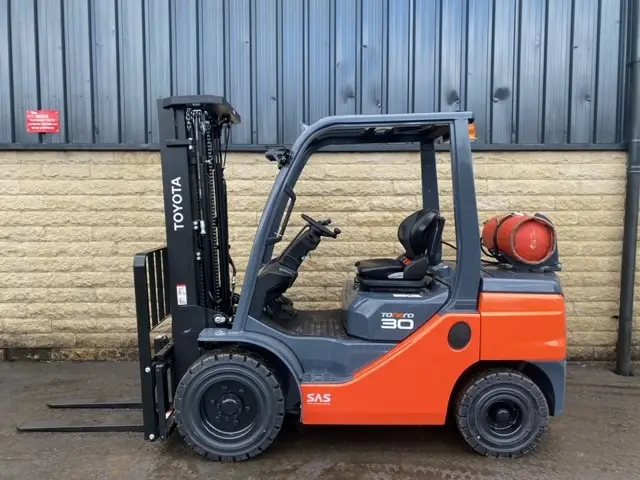
When acquiring forklifts, businesses have three options: buying new, buying used, or renting. Each option has advantages based on business needs and finances:
Buying new offers the latest technology and full warranties. However, it comes with a higher upfront cost. New standard models cost between $25,000 and $50,000. This is ideal for businesses with heavy, long-term usage and available capital.
Used forklifts provide significant savings. They typically cost between $5,000 and $25,000. They are often available immediately, but may require more maintenance. This option is suitable for companies with lighter use or in-house maintenance capabilities.
Renting offers flexibility and access to newer models. It requires no long-term commitment. Rental costs typically range from $1,000 to $2,000 per month. This is perfect for short-term needs or fluctuating demands.
Key factors to consider include:
- Long-term business plans
- Usage intensity
- Financial situation
- Maintenance capabilities
- Technology requirements
Remember to consider the total cost of ownership. This extends beyond the initial price. Factor in maintenance, fuel, insurance, and training costs.
The best choice is the Venn diagram intersection of your operational needs and your financial strategy.
FAQ
Why are forklifts so expensive?
Forklifts are expensive due to the cost of materials, manufacturing, and specialized components like hydraulic systems, heavy-duty engines, and safety features. Additionally, advanced technology such as electric or fuel-efficient models, the need for durable construction, and compliance with industry regulations also drive up prices.
What is the fair value of a forklift?
Fair value depends on capacity, fuel type, mast and attachments, hours, and condition. The cleanest benchmark is recent comparable sales and dealer listings for similar configuration in your local market.
How much does a Toyota lift truck cost?
A Toyota lift truck typically costs between $25,000 and $40,000, depending on the model, capacity, and features. For example, electric models tend to be more expensive than internal combustion ones, and higher load capacities or specialized features will increase the price.
What is the most expensive forklift in the world?
The most expensive forklift in the world is likely a high-capacity container handler or a custom-built model for specific industries, such as heavy-duty forklifts used in ports. Prices can reach up to $500,000 or more for these specialized machines due to their massive load capabilities and advanced technology.