
Tow Truck Cost: New vs Used Price Ranges (2026)

We track tow truck cost trends so you can stay current whether you’re buying, selling, or benchmarking a deal.
A tow truck typically costs $15,000 to $650,000+ (and sometimes $1M+ for fully spec’d big rotators), depending on the build. Older used wheel-lifts and hook-and-chain units often land around $15K–$60K, late-model flatbeds/carriers commonly run about $75K–$180K new, and heavy-duty integrated wreckers/rotators can reach $250K–$650K+ new (up to $1M+).
Pricing is heavily influenced by the body style (wheel-lift vs rollback/carrier vs integrated rotator), underlift/boom tonnage and boom reach, and the winch/outrigger/wireless-remote spec package.
- Tow truck cost: $15K–$60K older used light-duty; $75K–$180K new carriers; $250K–$650K+ new heavy wreckers (up to $1M+ rotators)
- Key value factors: wheel-lift vs rollback/carrier vs integrated rotator + underlift/boom tonnage and boom reach + winch/outriggers/wireless-remote spec package
Understanding Tow Truck Types and Their Costs
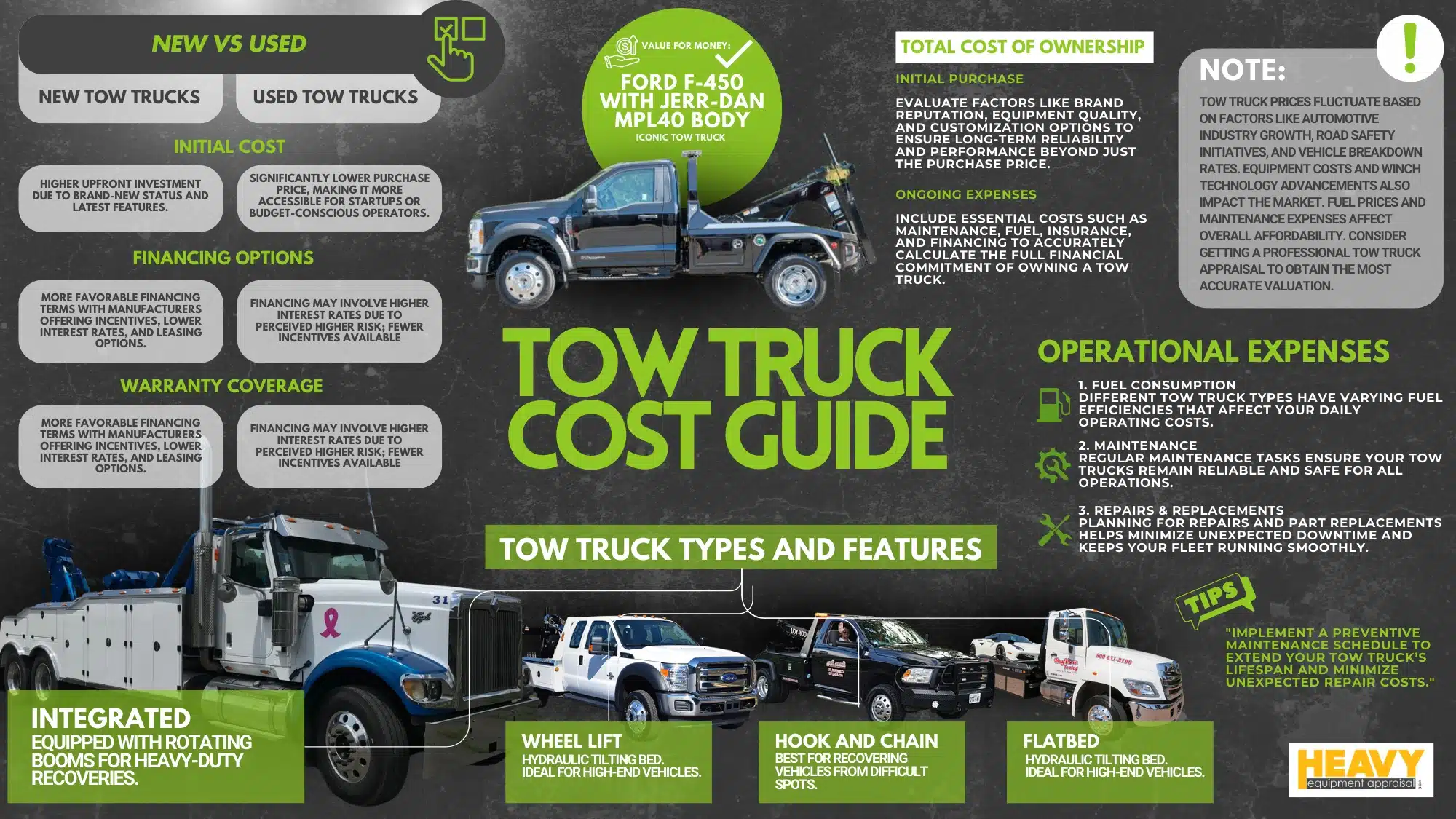
Tow trucks come in various configurations, each designed for specific recovery scenarios. The cost varies significantly based on the truck's capabilities, size, and condition. Here's a breakdown of the different types of tow trucks and their costs, using our latest data:
| Tow Truck Type | Used Cost Range | New Cost Range |
|---|---|---|
| Flatbed | $30,000 - $80,000 | $75,000 - $130,000 |
| Hook and Chain | $15,000 - $60,000 | $50,000 - $150,000 |
| Wheel Lift | $15,000 - $60,000 | $50,000 - $100,000 |
| Integrated | $100,000 - $300,000 | $200,000 - $650,000 |
Flatbed Tow Trucks
These rigs feature a hydraulic tilting bed for easy loading. They're ideal for transporting high-end vehicles or those with all-wheel drive systems. The "stinger" on these trucks allows for quick loading and unloading, reducing roadside time. Flatbeds are versatile and can handle a wide range of vehicles, from compact cars to light-duty trucks.
Hook and Chain Tow Trucks
While less common due to potential vehicle damage, these trucks still have their place. They're particularly useful for recovering vehicles from ditches or hauling junkers. The chains provide flexibility in securing oddly shaped loads. However, they're not recommended for modern vehicles with unibody construction due to the risk of frame damage.
Wheel Lift Tow Trucks
These trucks use a metal yoke to cradle the drive wheels of a vehicle. They're excellent for navigating tight urban areas and can quickly hook up to a disabled vehicle. The "stinger" arm is adjustable, allowing for various vehicle sizes. Wheel lifts are often preferred for repossessions due to their quick hookup time.
Integrated Tow Trucks
Also known as "rotators" or "heavy-duty wreckers," these trucks are equipped with a rotating boom and underlift. They're capable of recovering large commercial vehicles and performing complex extractions. The boom can lift up to 75 tons, making them indispensable for severe accidents. Integrated trucks often feature advanced hydraulic systems and multiple winches for precise control during recoveries.
When selecting a tow truck, consider the Gross Vehicle Weight Rating (GVWR) and towing capacity. A higher GVWR allows for heavier loads, potentially increasing your service range.
Additionally, look for trucks with air-ride suspension, which provides a smoother ride and reduces wear on both the truck and towed vehicles.
As we examine the initial tow truck cost to buy, it's crucial to weigh the trade-offs between new and used tow trucks for your specific operational needs. Factors such as warranty coverage, fuel efficiency, and available financing options can significantly impact your decision.
Initial Tow Truck Purchase Price: New vs. Used
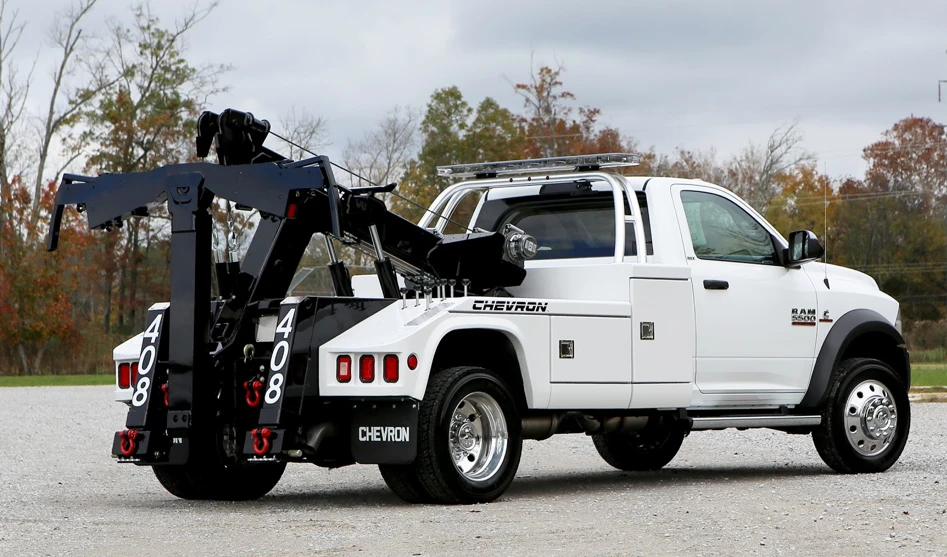
When entering the towing business, understanding the costs beyond the initial purchase price is crucial. While the price ranges for new and used tow trucks have been established, several factors influence the total cost of ownership:
Depreciation
Integrated tow trucks hold their value better than lighter models. A $500,000 rotator might only depreciate 10-15% in the first year, compared to 20-30% for a standard flatbed.
Maintenance
Used trucks often require more immediate maintenance. Budget for potential repairs such as:
- Boom cylinder replacement: $5,000 - $8,000
- Hydraulic outrigger repair: $3,000 - $6,000
- Wireless remote control system overhaul: $2,500 - $4,000
Fuel Efficiency
Heavy-duty integrated trucks are gas guzzlers. Expect 3-5 mpg for a 50-ton rotator, compared to 8-10 mpg for a light-duty wheel lift. At $4/gallon, this difference could mean $20,000+ in annual fuel costs.
Insurance
Specialized coverage for integrated trucks is pricey. Expect annual premiums of $15,000 - $25,000 for a rotator, compared to $5,000 - $10,000 for a standard flatbed.
Financing
Due to their high cost, integrated trucks often require longer loan terms. A 10-year loan at 7% interest on a $600,000 rotator would result in total interest payments of about $230,000.
Equipment Upgrades: High-end upgrades for integrated trucks include:
- Air cushion recovery systems: $30,000 - $50,000
- Advanced rigging kits: $10,000 - $20,000
- Thermal imaging cameras for nighttime operations: $5,000 - $10,000
When selecting an integrated tow truck, consider its lifting capacity and boom reach. A 60-ton rotator with a 100-foot boom offers versatility for complex recoveries, from overturned semis to submerged vehicles.
As you weigh these costs, remember that specialized training for operating integrated trucks is essential. Proper certification can cost $5,000 - $10,000 per operator but is crucial for safety and efficiency in challenging recovery scenarios.
Essential Equipment and Supplies for Tow Truck Operations
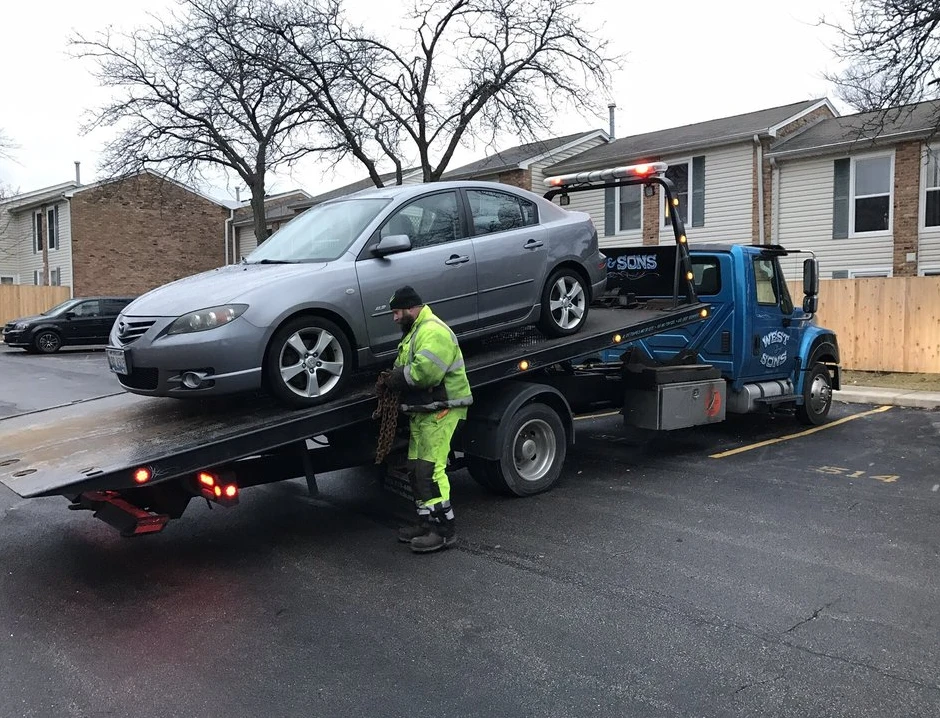
The cost of essential tow truck equipment has seen some adjustments. Here's an updated breakdown:
Dollies and Skates: These crucial tools for vehicle movement now range from $80 to $350. High-end models feature lightweight aluminum construction and higher weight capacities.
Chains, Straps, and Hooks: A full set now costs between $30 and $500. The price increase reflects the adoption of synthetic winch ropes, which offer higher strength-to-weight ratios compared to steel cables.
Safety Gear: The price range for comprehensive safety equipment has expanded to $300 - $1,500. This includes high-visibility LED safety vests, impact-resistant helmets, and ANSI-certified work gloves.
| Equipment Type | Price Range | Importance |
|---|---|---|
| Dollies and Skates | $80 - $350 | Essential for vehicle movement |
| Chains, Straps, Hooks | $30 - $500 | Crucial for vehicle security |
| Safety Gear | $300 - $1,500 | Critical for driver protection |
Pro Tip: Invest in a set of air wedges ($150 - $300). These inflatable tools can create gaps in tight spaces, making it easier to insert dollies or chains without damaging the vehicle.
Maintenance costs for this equipment can run 5-10% of the purchase price annually. Regular inspections and replacements are crucial, especially for items subject to wear like winch cables and safety harnesses.
With the rising costs of essential equipment, it's more important than ever to ensure your business is properly licensed and permitted to operate legally and competitively in the towing industry.
Licensing and Permit Expenses for Tow Truck Businesses
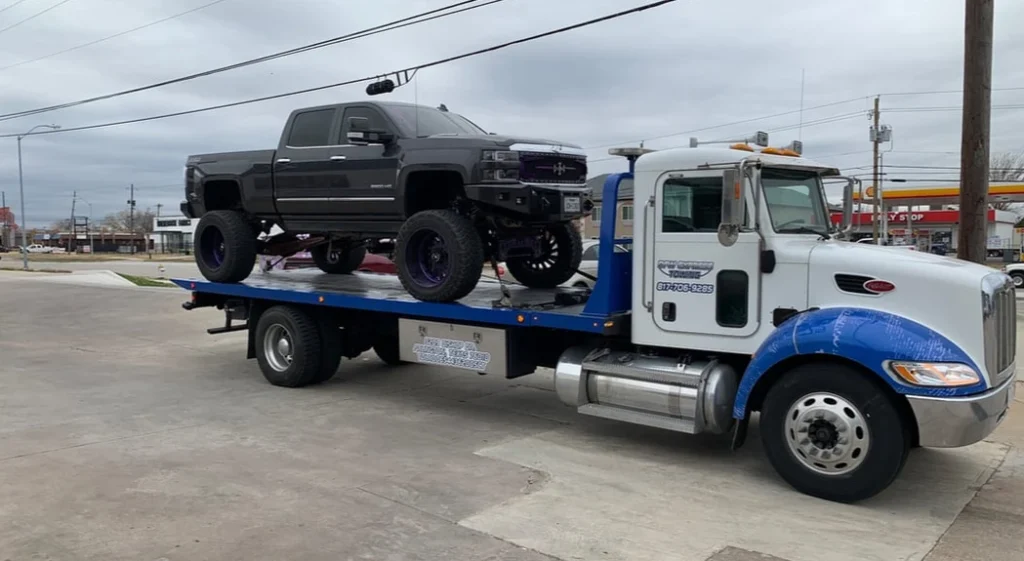
Licensing costs vary by state and city, so budget this as a setup bucket, not a single fixed fee.
- Local business license / tow permit: Often tens to hundreds of dollars per year, sometimes more if inspections, storage-yard rules, or special permits apply.
- State towing credential (where required): Can range from hundreds to $1,000+ depending on the state and permit class.
- USDOT number (interstate): No charge to obtain.
- Operating authority (MC) if your operation requires it: Typically $300 per authority with FMCSA.
Takeaway: confirm requirements for every city/county you serve. Multi-jurisdiction operators often pay more in permits and compliance steps.
Insurance Costs
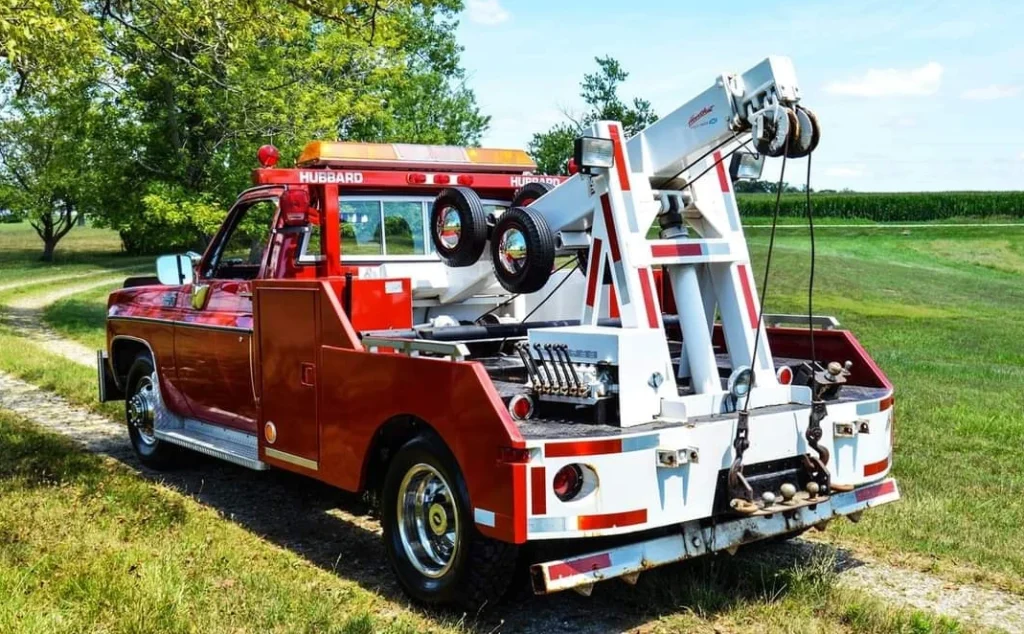
Tow truck insurance is expensive because you’re insuring your truck and the customer’s vehicle while it’s in your care.
Most towing policies are built from:
- Commercial auto liability (your baseline)
- Physical damage (your truck)
- On-hook/towed-vehicle coverage (often a major add-on)
- Garagekeepers (if you store vehicles)
On-hook premiums are commonly cited in a wide annual range, roughly $4,000–$10,000 depending on limits, claims history, and the type of towing you do.
Big price drivers: service mix (impound/repo/heavy recovery), territory, driver record, truck class, and whether you store vehicles.
Operational Expenses: Fuel, Maintenance, and Repairs
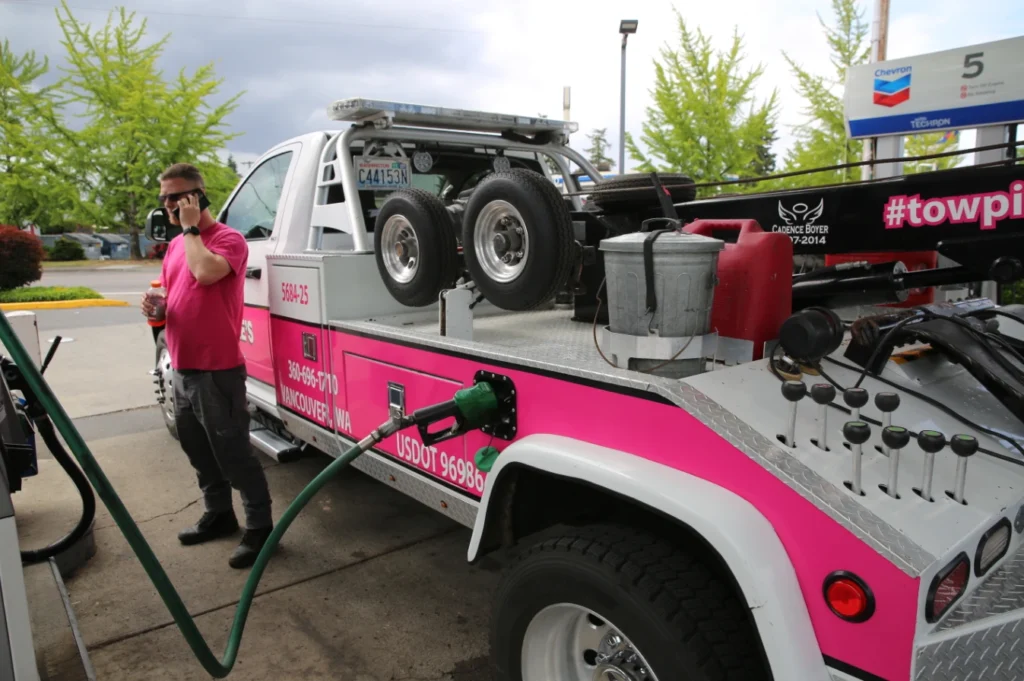
Running a tow truck outfit means wrestling with a beast that's always hungry for diesel and spare parts. Let's break down the nuts and bolts of keeping your rigs on the road:
Fuel Consumption and Costs
Tow trucks are thirsty beasts. A heavy-duty integrated rig might only squeeze out 3-4 mpg when fully loaded, while a light-duty wheel lift can manage 8-10 mpg. For a fleet of 5 medium-duty flatbeds averaging 6 mpg and clocking 200 miles daily, you're looking at a fuel bill of $800-$1,000 per day at current diesel prices. That's a whopping $1.00 to $1.50 per mile in fuel alone.
Routine Maintenance Expenses
Keeping your trucks purring ain't cheap. For a medium-duty flatbed:
- Oil changes (every 5,000 miles): $300-$400
- Transmission service (yearly): $500-$700
- Brake jobs (every 50,000 miles): $1,000-$1,500
- Tires (yearly set): $2,000-$3,000
Annual maintenance for a single truck can easily hit $7,000-$12,000, depending on mileage and how hard you run it.
Repair and Replacement Costs
When things go sideways, be ready to open your wallet wide:
- Major engine overhaul: $15,000-$20,000
- Transmission replacement: $5,000-$8,000
- Hydraulic system repair: $3,000-$5,000
- Winch replacement: $2,000-$4,000
Budget for at least $5,000-$15,000 annually per truck for unexpected repairs.
| Expense Category | Annual Cost Range (per truck) |
|---|---|
| Fuel | $50,000 - $100,000 |
| Maintenance | $7,000 - $12,000 |
| Repairs and Replacements | $5,000 - $15,000 |
Pro Tip: Invest in a fuel management system. It can cut fuel costs by 10-15% through route optimization and idle time reduction.
As you tally up these operational costs, remember that smart financing can make or break your bottom line. Let's shift gears and look at how to get your hands on that shiny new rig without breaking the bank.
Financing Options for Tow Truck Purchases
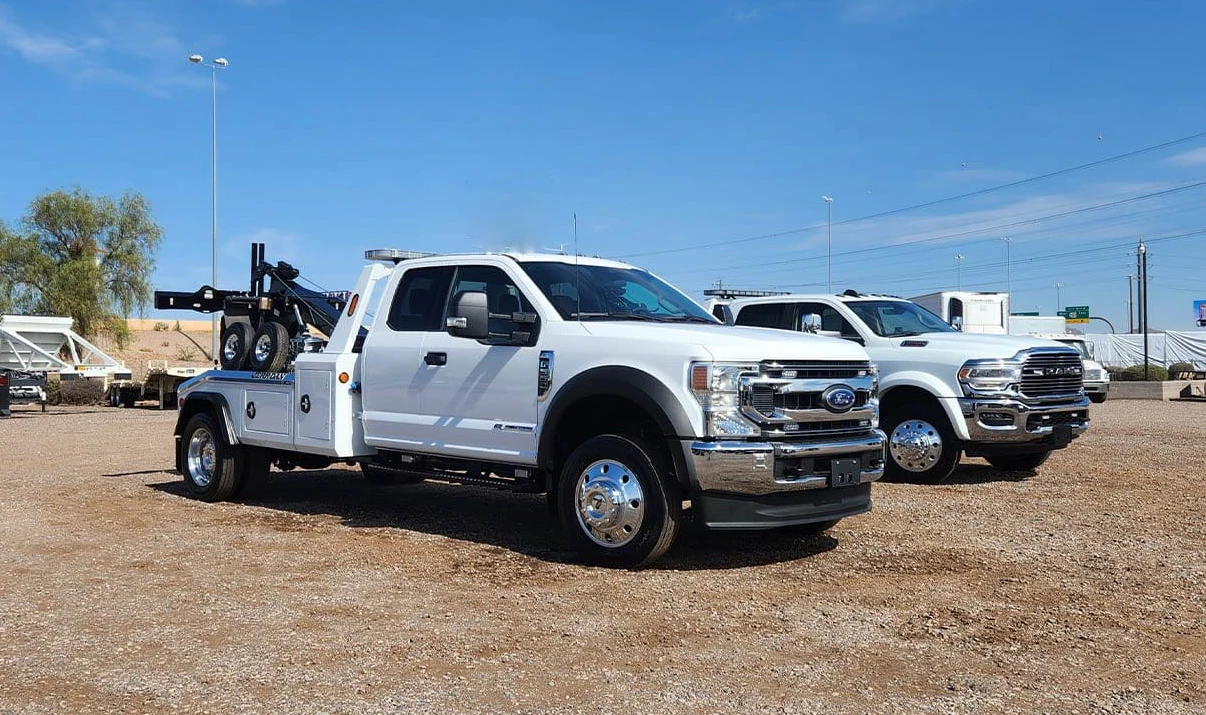
Strategies to Reduce Tow Truck Ownership Costs

Keeping your rigs profitable requires a keen eye on expenses. Here are some industry-specific tactics to keep more green in your pocket:
Spec Smart: When ordering new trucks, opt for aluminum bodies and wheels to reduce weight and boost fuel efficiency. A lightweight Century 3212 carrier can save up to 10% on fuel compared to its steel counterpart.
Preventive Maintenance: Implement a rigorous PM schedule. Regular greasing of the underlift and boom pivot points can extend the life of these components by up to 30%. Use synthetic lubricants in the winch gearbox to extend service intervals.
Parts Sourcing: Join a buying group like FinditParts or FleetPride. These can offer discounts of 15-20% on common wear items like winch cables and hydraulic hoses.
Diversify Services: Expand into specialized recovery. A single air cushion job can net $5,000-$10,000, offsetting months of regular operating costs.
Tech Integration: Implement a digital dispatching system like Towbook or Omadi. These can reduce idle time by up to 25% through optimized routing.
Driver Training: Invest in WreckMaster certification for your operators. Properly trained drivers can reduce damage claims by up to 40%, directly impacting insurance premiums.
Fuel Management: Install auxiliary power units (APUs) on heavy-duty wreckers. These can cut fuel consumption during long recovery operations by up to 80% compared to idling the main engine.
By implementing these strategies, you can significantly reduce the total cost of ownership for your fleet. Remember, in the towing game, every dollar saved on operations is a dollar earned in profit.
As we wrap up our deep dive into tow truck ownership costs, let's summarize the key points to keep your business rolling smoothly.
Decision Time: How Much Does a Tow Truck Cost to Own?
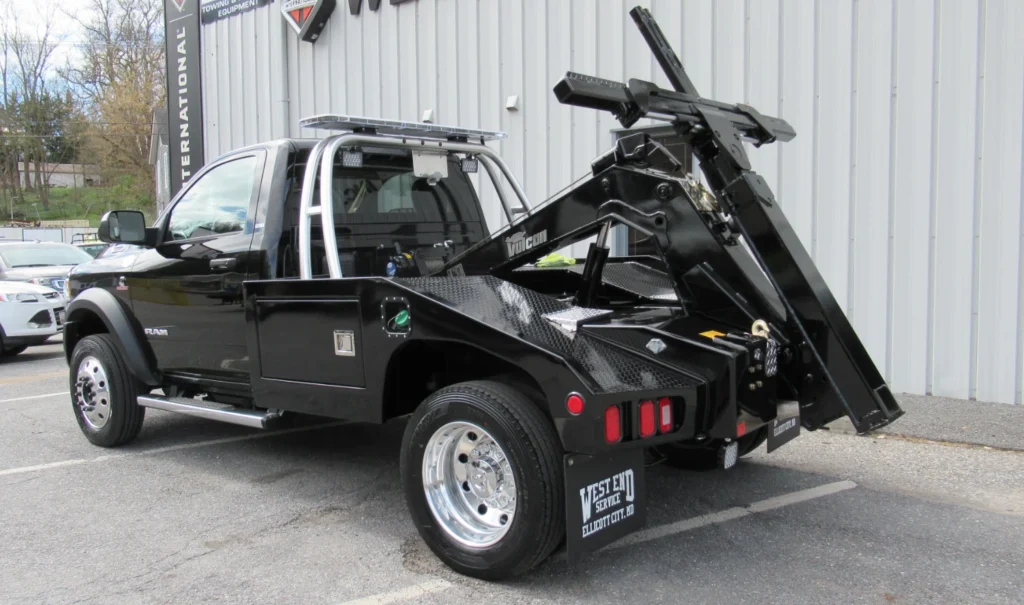
Jumping into the wrecker game isn't for the faint of heart. With the industry's 5.1% CAGR, there's meat on the bone, but you'll need to navigate DOT regs and manage hefty operational costs to turn a profit.
For greenhorns, a pre-owned wheel-lift or flatbed is your best bet. You can snag a decent rig for $30K to $80K, but don't forget the $60K to $100K annual nut for fuel, maintenance, and insurance. It's a way to cut your teeth without bleeding your wallet dry.
Seasoned towers looking to level up might eye a new integrated wrecker or rotator. Sure, they'll set you back $200K to $650K, but the latest hydraulics and winch tech can open doors to lucrative heavy recovery jobs and specialized hauling contracts.
Your choice boils down to your bankroll and business plan. New or used, success in this racket hinges on keeping your rigs rolling and your drivers dispatched efficiently. Factor in everything from PTO maintenance to FMCSA compliance costs. And don't forget, a single air cushion recovery can net you $5K to $10K, potentially offsetting months of payments on that shiny new Century.
In the end, whether you're financing a light-duty repo unit or leasing a 60-ton rotator, make sure your revenue streams can handle the payments before you sign on the dotted line. In towing, cash flow is king, and only the savvy operators keep their fleets growing in this high-stakes, high-reward industry.
FAQ
Are tow trucks a good investment?
Tow trucks can be a good investment if you’re entering a high-demand area or market. They provide steady income, particularly in cities with frequent vehicle breakdowns or accidents. However, initial costs, maintenance, and competition should be considered before investing.
Is owning a towing company profitable?
Owning a towing company can be profitable, especially in areas with high vehicle traffic or few competitors. Success depends on efficient operations, diverse services like roadside assistance, and consistent demand for towing services.
Why are tow trucks so expensive?
Tow trucks are expensive due to specialized equipment, durability requirements, and complex hydraulics needed to safely move heavy vehicles. Factors like vehicle size, towing capacity, and technology also increase the price.
What do most towing companies charge?
Most towing companies charge between $75 to $125 for a local tow (up to 10 miles), with additional fees for longer distances, storage, or after-hours service. Rates can vary based on location, vehicle size, and time of day.