
Telehandler Cost: New vs Used Price Ranges 2026

A telehandler typically costs $30,000 to $80,000 used, or $70,000 to $250,000+ new in 2026. Older compact units sit at the low end, late-model standard machines land around $70,000–$150,000, and high-reach setups can run $150,000–$250,000+.
Pricing jumps most with 360-degree rotating (roto) turrets and outriggers, higher lift heights/forward reach (load chart class), and factory attachment packages like side-shift fork carriages, crane jibs, or work platforms.
- Telehandler cost: $30,000–$80,000 used; $70,000–$250,000+ new
- Key value factors: 360-degree rotating turret with outriggers + lift height/forward reach (load chart class) + carriage/attachment package (side-shift forks, jib/winch, work platform)
Understanding Telehandlers: Purpose and Functionality
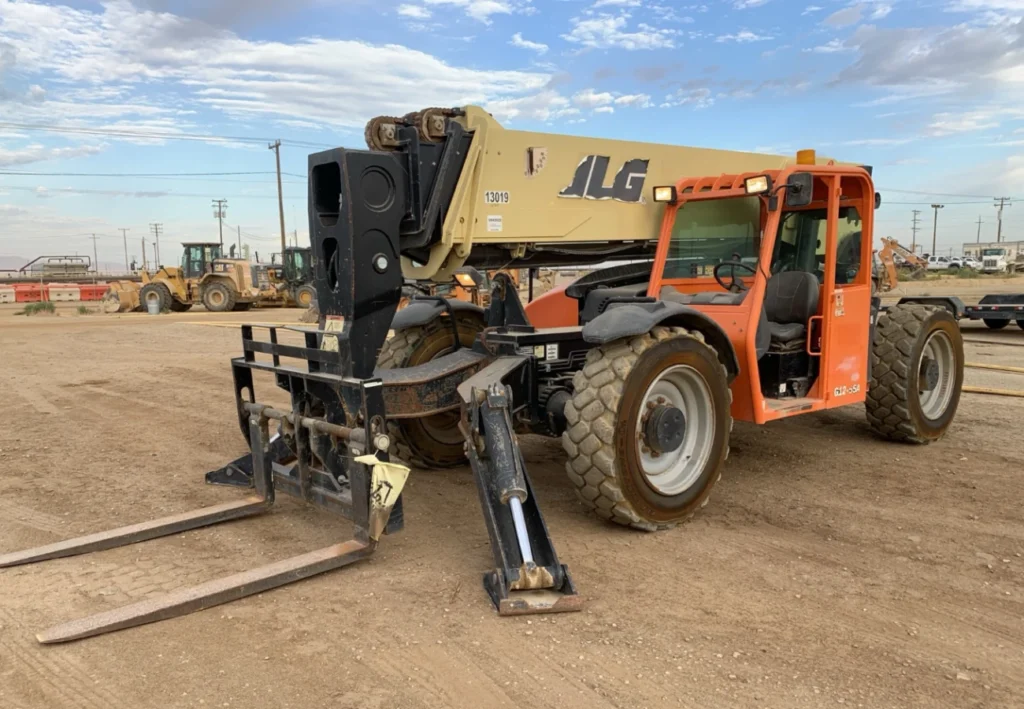
Telehandlers are versatile machines used for lifting and moving materials. They combine the features of a forklift and a crane. This makes them very useful on many job sites.
Definition and Basic Features
A telehandler, also known as a telescopic handler, has a boom that extends forward and upward. It comes with various attachments for different tasks. Its telescopic boom allows for reaching high and far.
Common Applications in Various Industries
Telehandlers are used in many sectors. In construction, they help move materials and lift heavy loads. Agriculture uses them for stacking hay bales. Mining uses them for handling materials in tough terrain.
Versatility Through Attachments
Telehandlers have a wide range of attachments. These include:
- Pallet forks for handling palletized loads
- Buckets for moving loose materials
- Crane jibs for precise lifting
- Work platforms for elevating personnel
This versatility lets one machine do many tasks. It reduces the need for special equipment on job sites.
| Attachment | Function | Industry |
|---|---|---|
| Pallet Forks | Lifting pallets | Warehousing, Construction |
| Bucket | Moving loose materials | Agriculture, Construction |
| Crane Jib | Precise lifting | Construction, Manufacturing |
| Work Platform | Elevating workers | Maintenance, Construction |
Types of Telehandlers and Their Cost Implications
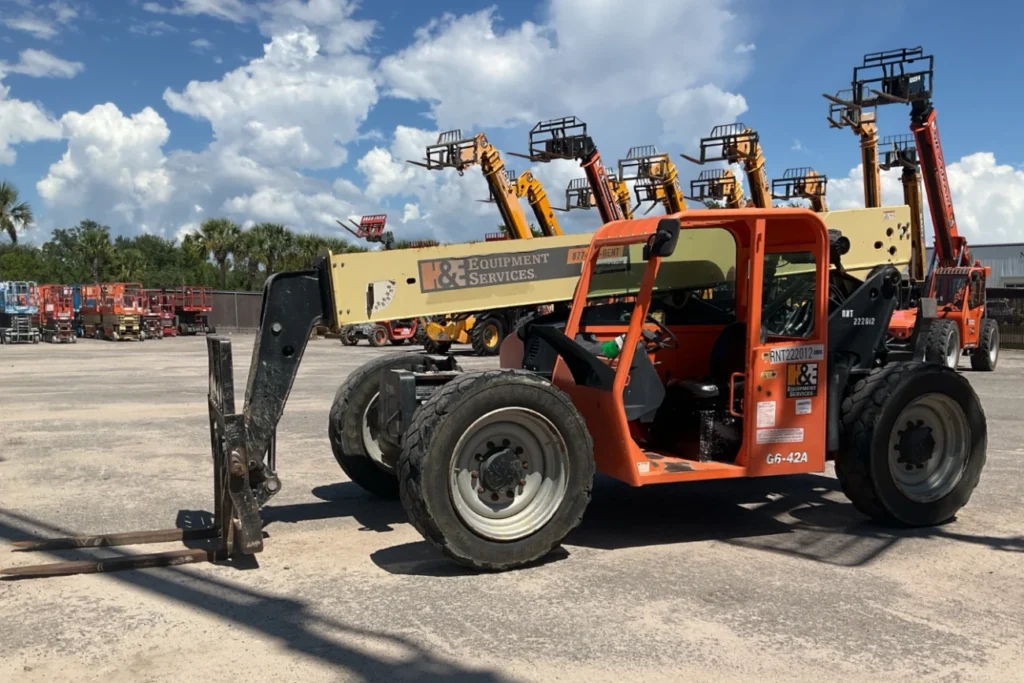
Telehandlers come in many types, each for different tasks and places. Their design and function affect their price. Let's look at the main types and their costs.
Fixed boom telehandlers are great for heavy loads and are stable. They're best for construction and warehouses. Rotational telehandlers can move 360 degrees, perfect for tight urban spaces.
Small telehandlers are compact and easy to move in tight spots, great for farming and landscaping.
| Telehandler Type | Typical Price Range | Key Features |
|---|---|---|
| Standard | $40,000 - $150,000 | Versatile, suitable for various industries |
| Compact | $30,000 - $80,000 | Budget-friendly, ideal for confined spaces |
| High Reach | $70,000 - $250,000+ | Exceptional lift height, advanced features |
Prices change based on lift capacity, reach, brand, and attachments. New units generally price higher than comparable used machines with similar specs. New telehandlers come with warranties and the latest tech. Used ones are cheaper. Big names like JLG, Skytrak, and Caterpillar lead the market, making up 15-20% of sales.
When picking a telehandler, think about what you need. Light-medium duty ones lift 5,000 to 9,000 lbs. Heavy-duty ones lift 10,000 to 14,000 lbs. High-capacity ones can lift 14,000 to 24,000 lbs.
Telehandler Specifications and Their Impact on Price
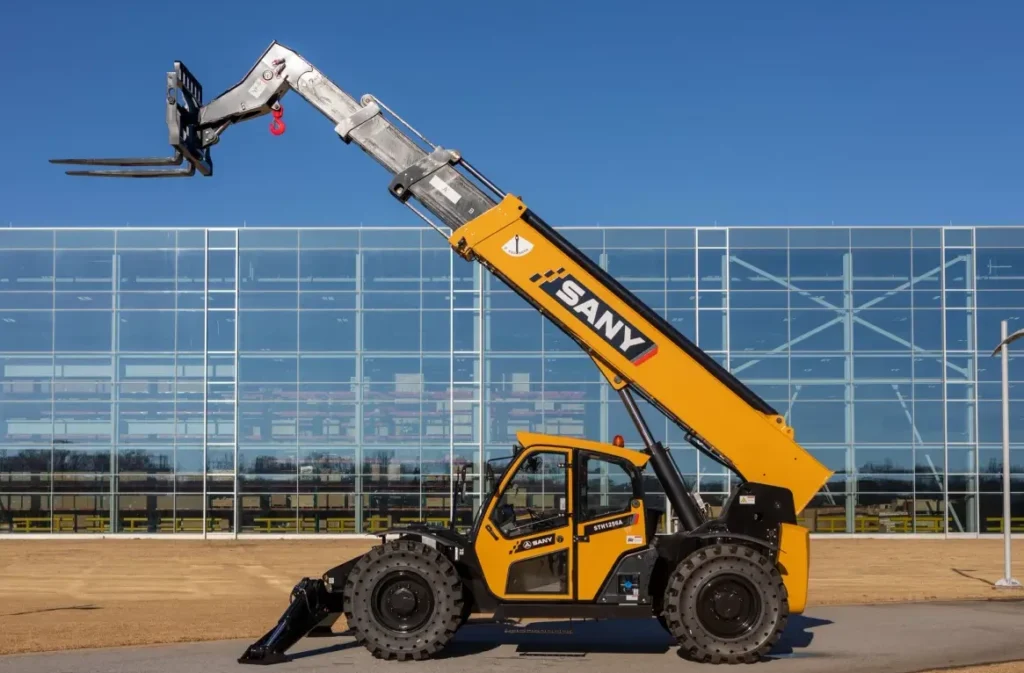
Telehandler specifications are key in setting their prices. Knowing these specs helps buyers choose wisely, matching their needs and budget.
Lift Height and Capacity
Telehandlers vary in lift capacity. Light to medium-duty ones lift 5,000 to 9,000 lbs, reaching 19 to 42 feet. Heavy-duty models, known as 10k or 12k telehandlers, lift up to 12,000 lbs and reach 54 feet. The highest capacity telehandlers lift 14,000 to 24,000 pounds, reaching 33 to 56 feet.
Weight and Dimensions
Dimensions of telehandlers depend on their size and capacity. Full-size telehandlers have more reach and lift more but are harder to maneuver. Compact models are better for tight spaces but have less reach and lift capacity.
Fuel Efficiency and Power
Fuel efficiency affects long-term costs. More efficient telehandlers may cost more upfront but save money over time. The power of a telehandler also impacts its price, with more powerful ones costing more.
| Brand | Lift Capacity Range (lbs) | Lift Height Range (feet) |
|---|---|---|
| Genie | 5,500 - 12,000 | 18 - 56 |
| JLG | 2,700 - 26,600 | 13 - 97 |
| JCB | 4,000 - 14,000 | 13 - 56 |
| GEHL | 2,756 - 12,000 | 14 - 55.5 |
Telehandler Cost: New vs. Used Equipment
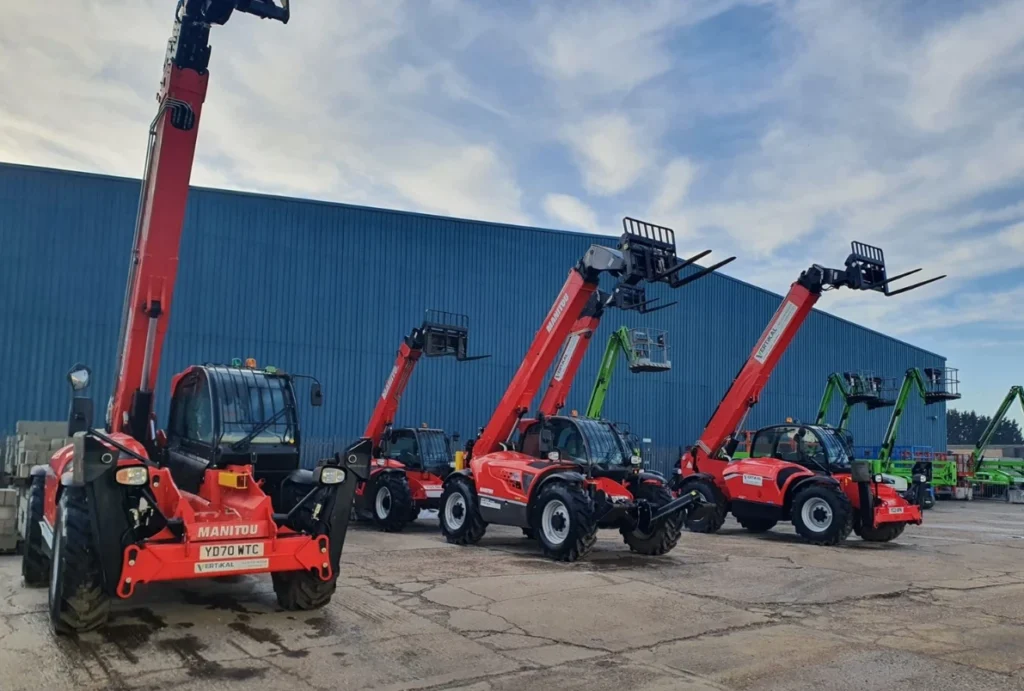
When you're looking to buy a telehandler, knowing the price difference between new and used is key. New telehandlers can cost a lot, depending on their size and features. On the other hand, used telehandlers might save you money.
Average Costs for New Telehandlers
New telehandlers typically cost $70,000 to $250,000+, with price rising as lift capacity, reach, and features increase. This price range shows the variety in size, capacity, and features. Buying new means you get the latest tech, reliability, and a warranty from the manufacturer.
Price Range for Used Telehandlers
Used telehandlers are generally cheaper, which is good for those watching their budget. A used telehandler with about 2,000 hours might cost around $50,000. While it's cheaper than buying new, remember to think about any maintenance costs.
Factors Affecting Telehandler Pricing
Several things can change the price of both new and used telehandlers:
- Size and weight (ranging from 10,000 to 30,000 pounds)
- Lift height and capacity
- Brand reputation (e.g., JCB, Caterpillar, Genie)
- Technological features
- Overall condition (for used models)
When comparing machines, focus on purchase price plus the condition, hours, and attachments that affect value. For example, renting might cost about $24,000 a year, which is $120,000 over five years. Buying a used telehandler and using it for four years could cost around $96,000. This shows how important it is to consider your needs and budget when choosing between new, used, or rental options.
| Option | Initial Cost | 5-Year Cost Estimate | Considerations |
|---|---|---|---|
| New Telehandler | $30,000 - $100,000+ | Varies | Latest technology, warranty |
| Used Telehandler | ~$50,000 (2,000 hours) | ~$96,000 | Lower upfront cost, possible repairs |
| Rental | $24,000/year | $120,000 | Flexibility, no long-term commitment |
Renting vs. Buying a Telehandler: Financial Considerations
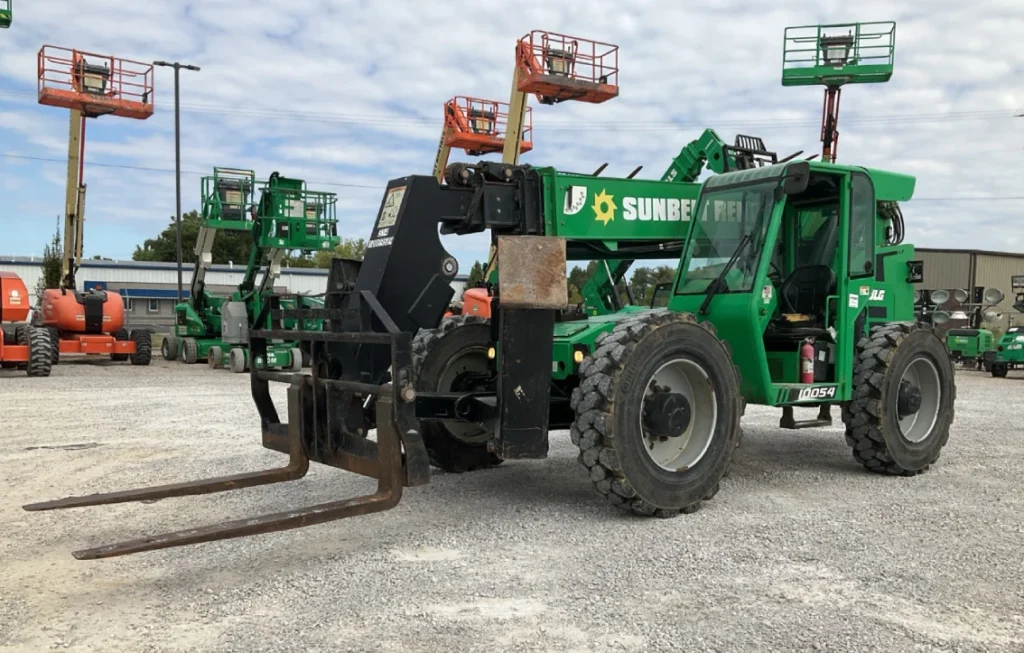
Choosing between renting and buying a telehandler involves looking at several financial points. The cost to rent a telehandler can change based on the rental company, where you are, and how long you need it. Renting is usually cheaper for short-term or occasional use.
Buying a telehandler has more costs than just the initial price. You'll need to think about financing, insurance, upkeep, and storage costs. These ongoing expenses can greatly affect your return on investment (ROI) over time.
Renting helps avoid many of these costs. Rental companies take care of maintenance and repairs, saving you time and money. You won't have to worry about storage and you'll get access to the newest models with the latest features. This flexibility is great for businesses with changing needs.
For long-term use, buying might be more cost-effective. Owning a telehandler lets you customize it with specific attachments and ensures it's always ready to use. It can cut down on labor costs and boost productivity over time. The equipment's resale value can also add to your ROI.
- Assess project duration and frequency of use
- Compare total costs of renting vs. buying
- Consider flexibility needs and equipment upgrades
- Evaluate storage and maintenance capabilities
The decision between renting and buying depends on your specific needs. Weigh the costs of owning a telehandler against your budget and project needs. This will help you make the most financially sound choice for your business.
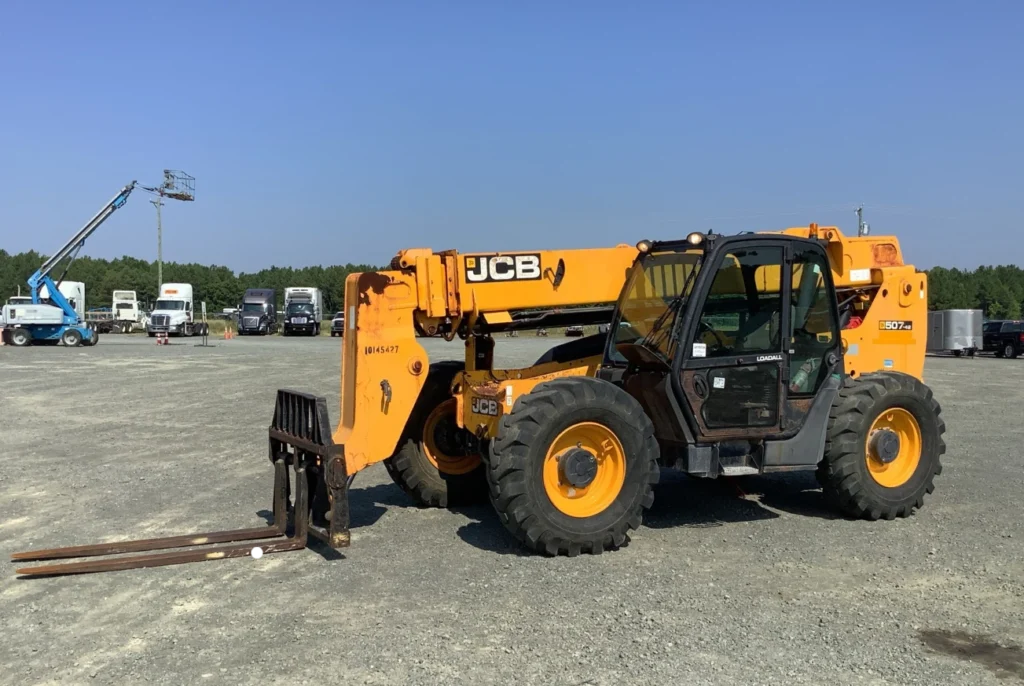
Hiring a telehandler is good for businesses with changing needs or specific projects. It's flexible and doesn't require a long-term financial commitment. This makes it appealing to many industries.
Operating Costs: Beyond the Initial Investment
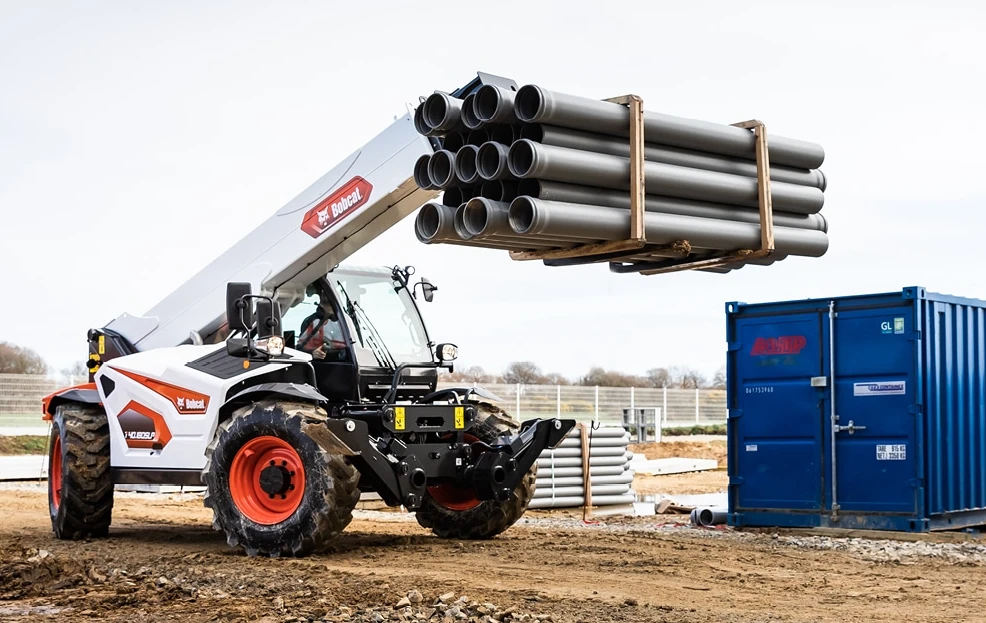
Looking at a telehandler means more than just the price tag. The total cost includes ongoing expenses that can affect your budget. Fuel costs are a big part, making up a third of the total cost.
Maintenance costs are also key. Keeping the telehandler in good shape prevents unexpected breakdowns and extends its life. The cost depends on parts availability and service schedules. JLG Industries has been recognized for low Total Cost of Ownership due to reliable and versatile machines.
The cost of fuel varies with the telehandler model and how it's used. For instance, Snorkel's SR5719E electric telehandler can cut operating costs by up to 60% compared to diesel models. It can run for up to 6 hours without needing a recharge, and can be fully charged in just 2.5 hours.
| Cost Factor | Impact on Total Cost of Ownership |
|---|---|
| Fuel | Approximately 1/3 of total expenses |
| Maintenance | Varies, but key for longevity |
| Insurance | Ongoing, varies by coverage |
| Operator Training | Initial cost, boosts efficiency |
To lower operating costs, consider smart technologies like JLG's ClearSky Smart Fleet. This IoT system offers insights to improve operations and boost efficiency. By working smarter, you can cut down on the total cost of owning a telehandler.
Popular Telehandler Brands and Their Price Points
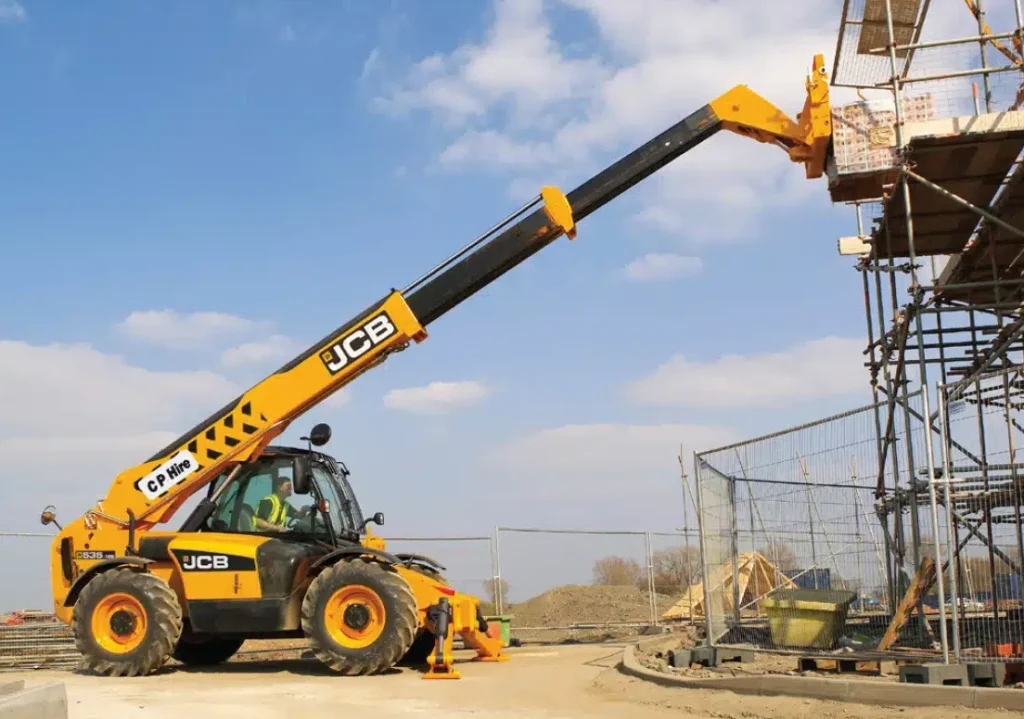
Telehandler brands offer a wide range of options for different needs and budgets. JCB, Caterpillar, Bobcat, and Manitou are among the top names. Each brand has models with different specs and features, affecting the telehandler market price.
Standard telehandlers from well-known brands usually cost between $40,000 to $150,000 for new ones. Compact telehandlers, perfect for smaller job sites, range from $30,000 to $80,000. High-reach telehandlers, made for specialized tasks, can cost from $70,000 to $250,000 or more.
When picking a telehandler brand, think about dealer support, parts availability, and customer reviews. These factors can greatly affect long-term satisfaction and the machine's value.
Maintenance and Repair Costs for Telehandlers
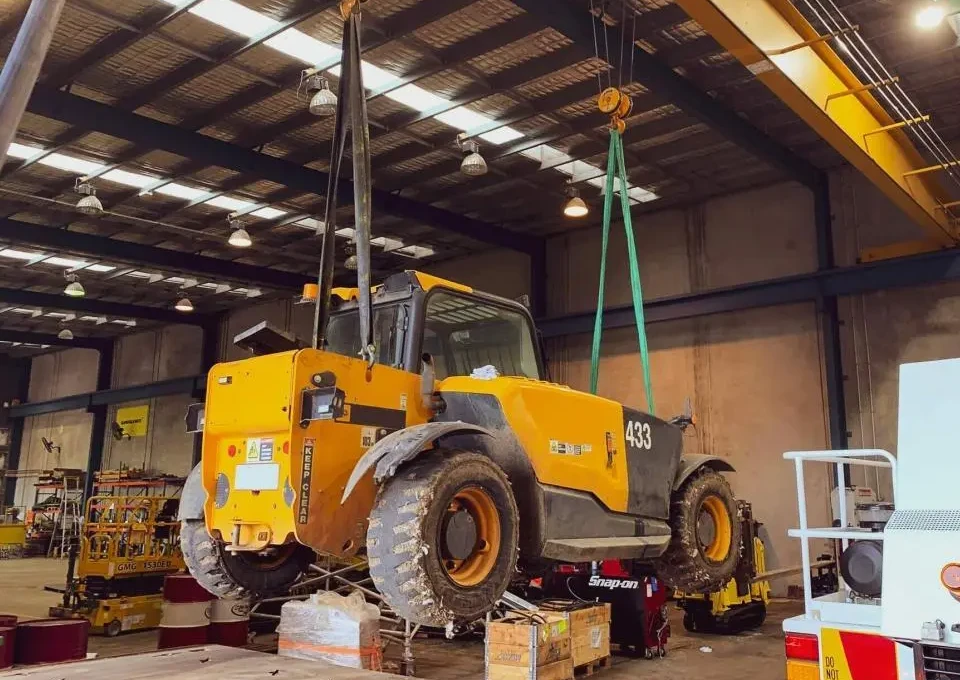
Keeping your telehandler in top shape is key to its longevity and performance. The cost of maintaining a telehandler varies based on how much you use it and how well you take care of it. Regular maintenance can help avoid expensive repairs later on.
JLG telehandlers now have a service interval of 1,000 hours, which is double the old standard. This change makes maintenance cheaper over time.
Smart choices can help lower repair costs for telehandlers. DuraForce MH tires last three to four times longer than older styles, reducing the need for frequent replacements. Lockable caps with lanyards ensure the right fluids are used, avoiding costly mistakes.
Some models now have multifunction displays with built-in analyzers. These tools speed up diagnosing problems, which can lower repair costs.
To keep parts costs down, do daily inspections before using the telehandler. This helps find issues early, preventing big breakdowns. Newer models have better cylinder design and placement, making maintenance faster.
Training operators on how to use the machine properly can also save on maintenance costs. By focusing on these strategies, you can manage your maintenance and repair costs effectively. This ensures your telehandler performs at its best.
Financing Options for Telehandler Purchases
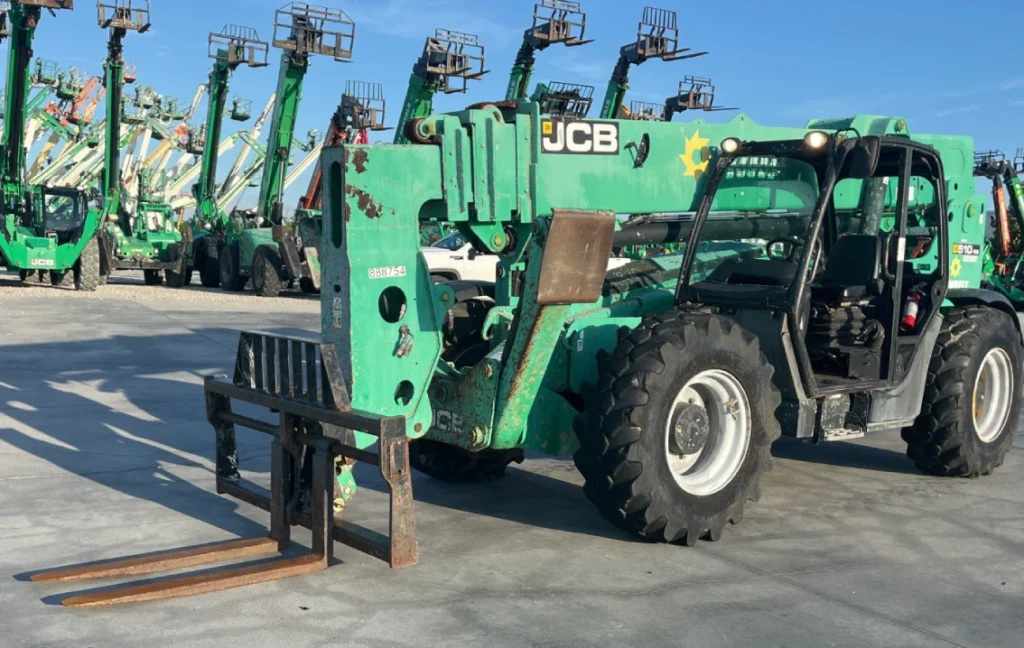
Telehandler financing can help spread payments over time for businesses that need to buy equipment. New telehandlers commonly fall in the $70,000 to $250,000+ range, depending on lift capacity, reach, and options. The cost of new telehandlers can range from $30,000 for small models to $250,000 for tall ones. This makes financing a good choice for many companies.
Leasing vs. Outright Purchase
It offers fixed monthly payments, helping with budget planning. Chattel mortgages, or lease-to-own agreements, let businesses own the telehandler later. This combines the benefits of leasing with long-term ownership.
Loan Terms and Interest Rates
Loan costs for telehandlers depend on credit history and market conditions. Interest rates and terms can be adjusted to meet business needs and financial situations.
Tax Implications and Depreciation
Businesses might deduct depreciation expenses, lowering their tax liability. It's important to talk to a tax professional to understand how leasing and loan costs affect your finances.
| Financing Option | Upfront Cost | Ownership | Monthly Payments |
|---|---|---|---|
| Leasing | Low | No | Fixed |
| Chattel Mortgage | Medium | Yes (end of term) | Fixed |
| Outright Purchase | High | Immediate | N/A |
When looking at financing options for telehandlers, think about the total cost over time. This helps businesses make choices that fit their financial goals and needs.
FAQ
How much does a new telehandler cost?
New telehandlers cost $70,000–$250,000+, depending on lift capacity and features. Entry-level models start at $70,000, mid-range models cost $100,000–$150,000, and high-end models exceed $150,000. Prices rise with higher capacities and advanced technologies.
Why are telehandlers so expensive?
Telehandlers are expensive due to their versatile design, combining the functions of a forklift, crane, and work platform. Their high cost is driven by robust engineering, advanced hydraulics, and safety features required for heavy lifting and extended reach in construction and agriculture.
Is 5000 hours a lot for a telehandler?
Yes, 5,000 hours is significant for a telehandler, indicating extensive use. The lifespan depends on maintenance, with well-maintained telehandlers often lasting 7,000–10,000 hours or more. Hours near or exceeding 5,000 may require increased inspection and potential component replacements.
What is the life span of a telehandler?
The life span of a telehandler is typically 7,000 to 12,000 hours of operation, depending on usage, maintenance, and working conditions. Regular servicing and proper handling can extend the life of the machine, while harsh environments or neglect can shorten it.
What is a telehandler called in the USA?
In the USA, it’s most commonly called a telehandler or telescopic handler. You may also hear “telescopic forklift” in jobsite and dealer listings.