
Drilling Rig Cost: New vs Used Price Ranges (2026)

We track drilling rig cost trends so you can stay current whether you’re buying, selling, or benchmarking a deal.
A drilling rig typically costs $100,000 to $25,000,000+ in 2026. Older used rigs commonly fall around $100,000–$1,000,000, late-model land rigs often land in the $2,000,000–$10,000,000 range, and high-spec automated walking rigs can reach $25,000,000+.
Pricing swings most with top drive vs. rotary table, the walking/skidding system (and its load rating), and the mud-pump package (pump count and pressure rating).
- Drilling rig cost: $100,000–$1,000,000 older used; $2,000,000–$10,000,000 late-model land; up to $25,000,000+ high-spec walking rigs
- Key value factors: top drive vs. rotary table + walking/skidding system load rating + mud-pump package (pump count and pressure rating)
Understanding Drilling Rig Types and Their Applications
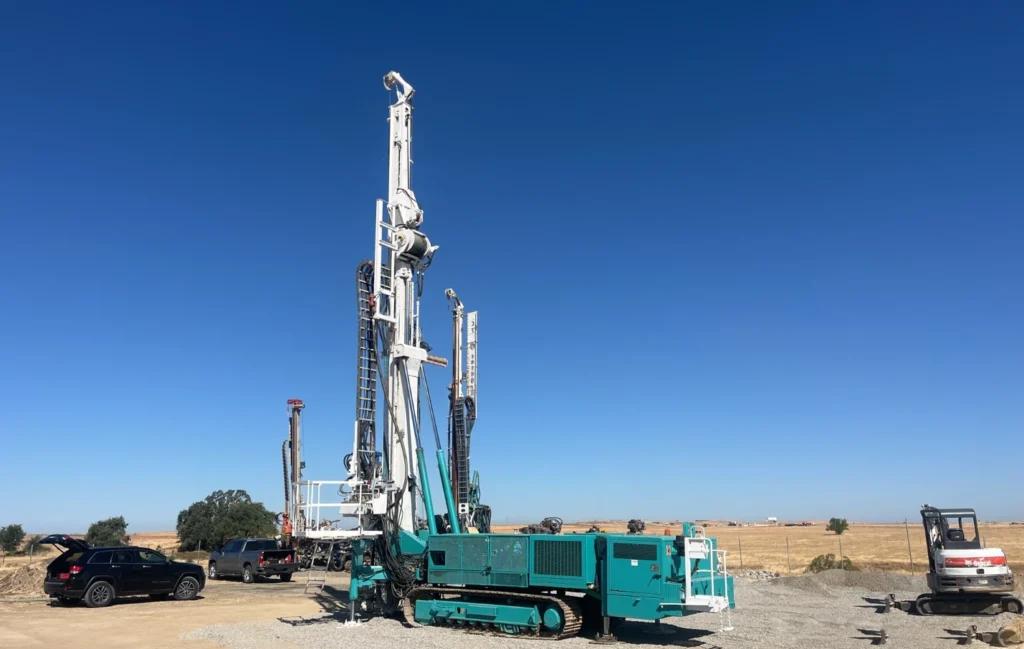
Drilling rigs vary in type, each suited for different tasks. Costs for oil, gas, and well drilling rigs differ based on the rig and its use. Let's look at the main types and their roles.
Onshore Drilling Rigs
Onshore rigs operate on land. They include land rigs, desert rigs, and mobile rigs. These rigs are flexible, used for oil, gas, geothermal, and water well drilling. Onshore rigs are often cheaper than those at sea.
Offshore Drilling Rigs
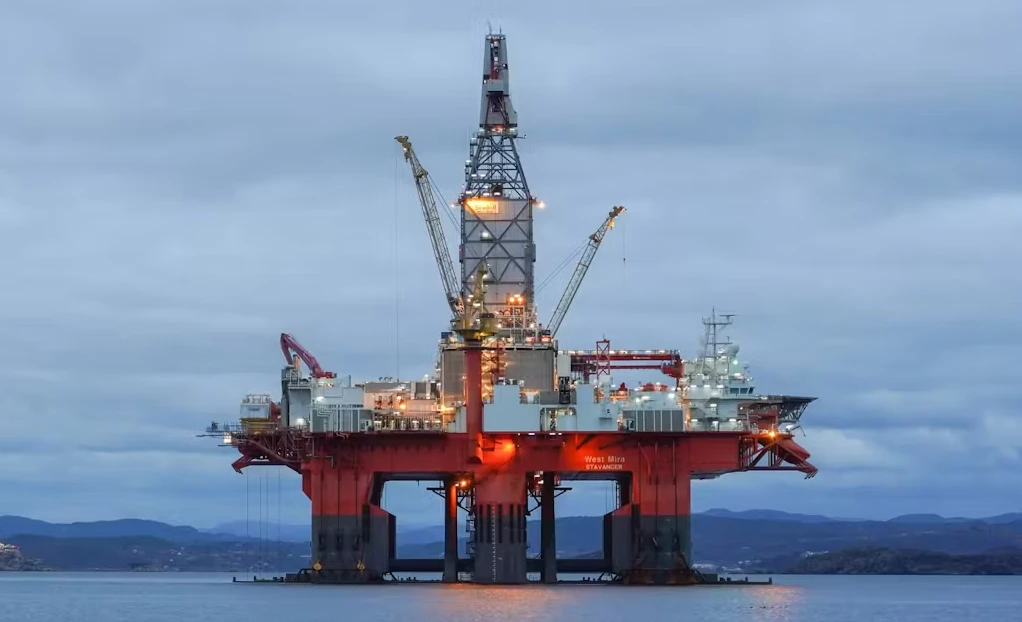
Offshore rigs handle marine environments. They range from jackup rigs for shallow waters to floating rigs for deeper waters. The cost for deepwater rigs is much higher. Drillships are used in the deepest waters.
Specialized Drilling Rigs
Special rigs serve unique needs. This includes coiled tubing, deviated well, and reverse circulation rigs. Auger drills are good for shallow work, up to 95 feet. The price of these rigs depends on their features and use.
Drilling rigs are also sorted by method, depth, and power source. Rotary rigs are common in many fields. Automated drill rigs (ADRs) cost about $25 million and are key in oil sands. Knowing these types helps estimate costs for specific projects.
Factors Influencing Drilling Rig Cost
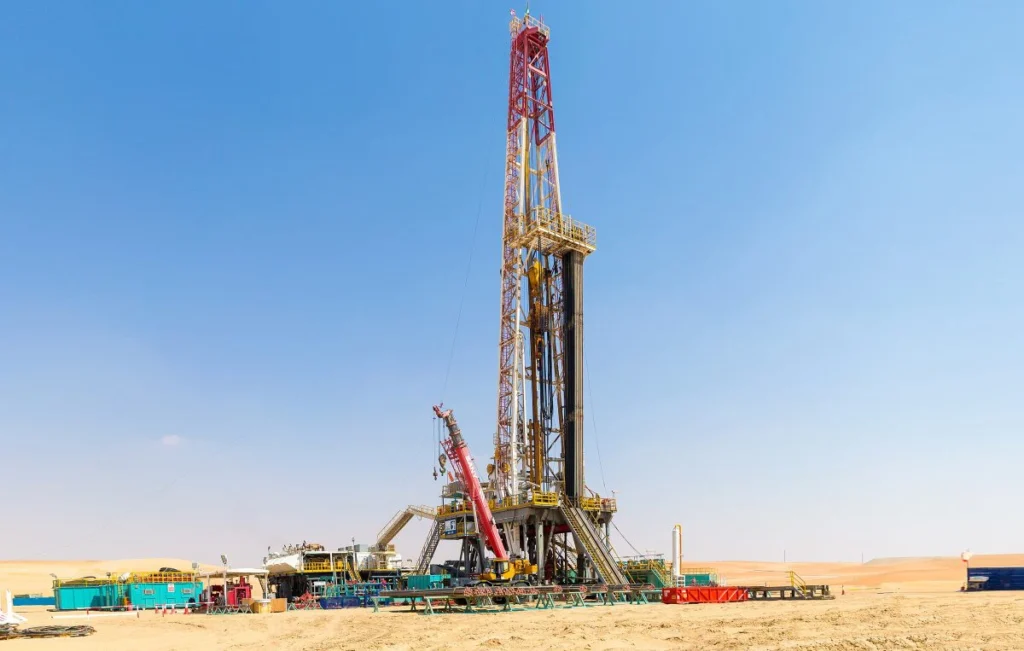
The cost of a drilling rig depends on several factors. The size of the rig is a big factor, as bigger rigs need more materials and cost more to make. For jackup rigs, the depth of the water is also important. Deeper waters require stronger steel for the legs.
The rig's operating environment also plays a big role. Rigs for harsh conditions are heavier and pricier. They need longer legs and bigger hulls. The equipment's ability to drill deep also affects the cost, as it needs strong pumps and safety systems.
The type of contract and the shipyard's location also matter. Rigs built without a firm contract can be riskier and more expensive. Shipyards in places like Singapore, China, and the US have different costs due to labor and taxes.
Financing options and drilling rig depreciation rates are key for budgeting over time. Insurance and transportation costs add to the expenses. How efficiently the rig drills and operates also affects its costs.
| Cost Factor | Impact on Rig Cost |
|---|---|
| Structural Weight | Higher weight increases fabrication expenses |
| Water Depth Capacity | Deeper waters require more expensive materials |
| Operating Environment | Harsh conditions demand costlier designs |
| Equipment Specifications | Advanced capabilities raise overall costs |
| Contract Type | Speculative builds may incur higher risks and costs |
New Drilling Rig Prices: What to Expect
Buying a new drilling rig is a big deal. The cost depends on the type and what it can do. Let's look at the prices for different types of rigs.
Land-Based Rig Costs
Land-based rigs are expensive to buy. Prices for rigs with 1,500 to 1,700 horsepower are between $14 million and $25 million. The Permian Basin is getting more rigs, from 340 in 2023 to 375-380 in 2024. This shows there's a lot of demand for these rigs.
Offshore Rig Costs
Offshore rigs are even pricier. They start at $20 million for basic ones and can go up to $1 billion for deepwater rigs. The cost depends on how deep the water is and the technology used.
Specialized Rig Costs
Special rigs for specific jobs have different prices. Their cost depends on what they can do and their features. These rigs are made for special tasks.
| Rig Type | Price Range | Factors Influencing Cost |
|---|---|---|
| Land-Based | $14 million - $25 million | Horsepower, technology |
| Offshore | $20 million - $1 billion | Water depth, advanced features |
| Specialized | Varies widely | Specific capabilities, application |
When you buy a rig, remember the ongoing costs too. Equipment not used for drilling can add 30% to 60% to the total cost. This increases the overall investment needed.
Used Drilling Rig Market: Prices and Considerations
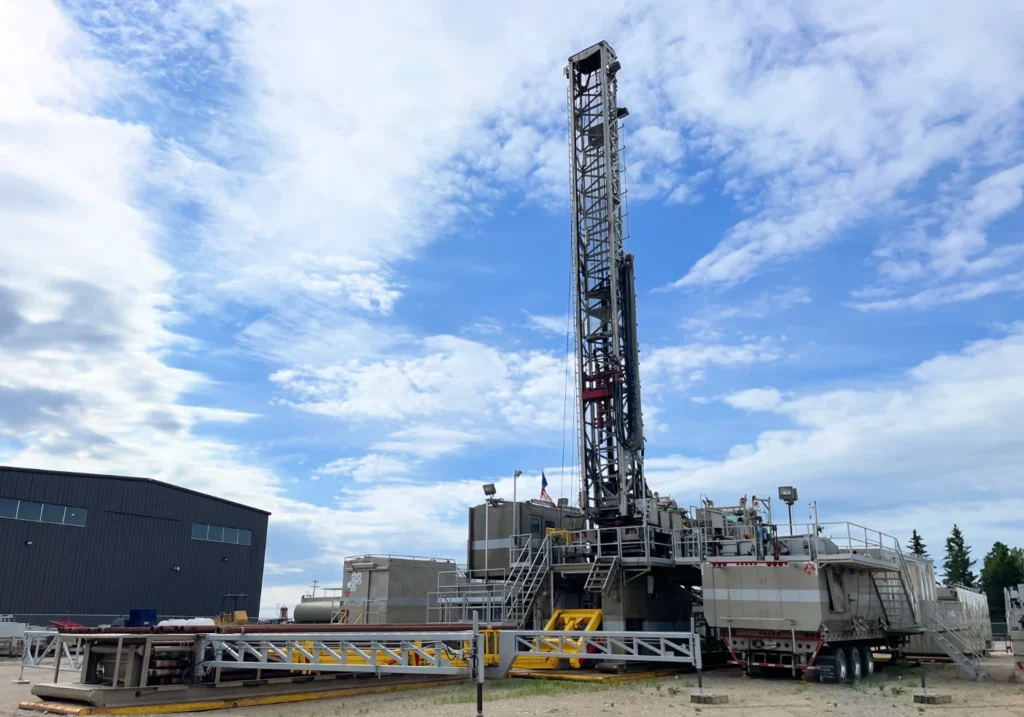
The used drilling rig market is a cost-effective option for operators. Prices change based on age, condition, and demand. On average, machines stay listed for 180 days on used equipment websites.
When looking at a used rig, buyers need to think about maintenance costs. These costs can be quite high.
Geoprobe®, a top equipment provider, gives repair estimates on a case-by-case basis. This helps buyers plan for repair costs. It's important to remember that most used rigs are sold as-is, without warranties. So, thorough inspections are key.
The cost of overhauling a drilling rig can be high but is often less than buying new. Geoprobe® helps buyers find financing, making used equipment more affordable. They also offer factory training for safe operation and maintenance. The cost of training depends on the specific needs.
Buyers should also think about the cost of inspections and certifications when looking at used equipment. These costs ensure the rig meets current standards and regulations. While used rigs save money, it's important to weigh long-term value and operational costs before making a decision.
Drilling Rig Cost: New vs. Used Comparison
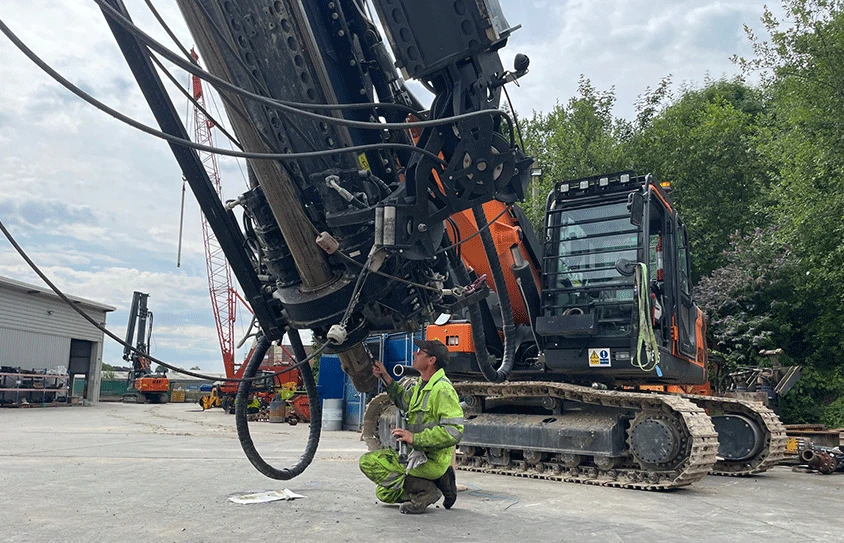
Companies must decide between new and used drilling rigs. This choice affects the initial cost, depreciation, and maintenance expenses.
Initial Investment
New drilling rigs are expensive, costing around $800,000. They last 10 to 15 years, making the cost per hour about $25.64. Used rigs are cheaper but may not last as long.
Depreciation and Resale Value
New rigs lose value quickly but hold their value better over time. Used rigs are cheaper but lose value slower. For example, a refurbished drawworks unit sold for under $200,000, showing big depreciation.
Maintenance and Repair Costs
Operating costs differ between new and used rigs. New rigs have lower maintenance costs and are more productive. Used rigs, though, break down more often, leading to higher repair costs and downtime.
| Cost Factor | New Rig | Used Rig |
|---|---|---|
| Initial Cost | $800,000 | Varies (Significantly lower) |
| Annual Maintenance | $75,000 (approx.) | Higher than new |
| Operational Reliability | High | Lower |
| Resale Value | Higher long-term | Lower, but slower depreciation |
The choice between new and used rigs depends on budget, project needs, and future plans. New rigs bring the latest tech and reliability. Used rigs save money for those looking to cut costs and initial investment.
Dayrates vs. Owning a Rig: What “Renting” Really Means
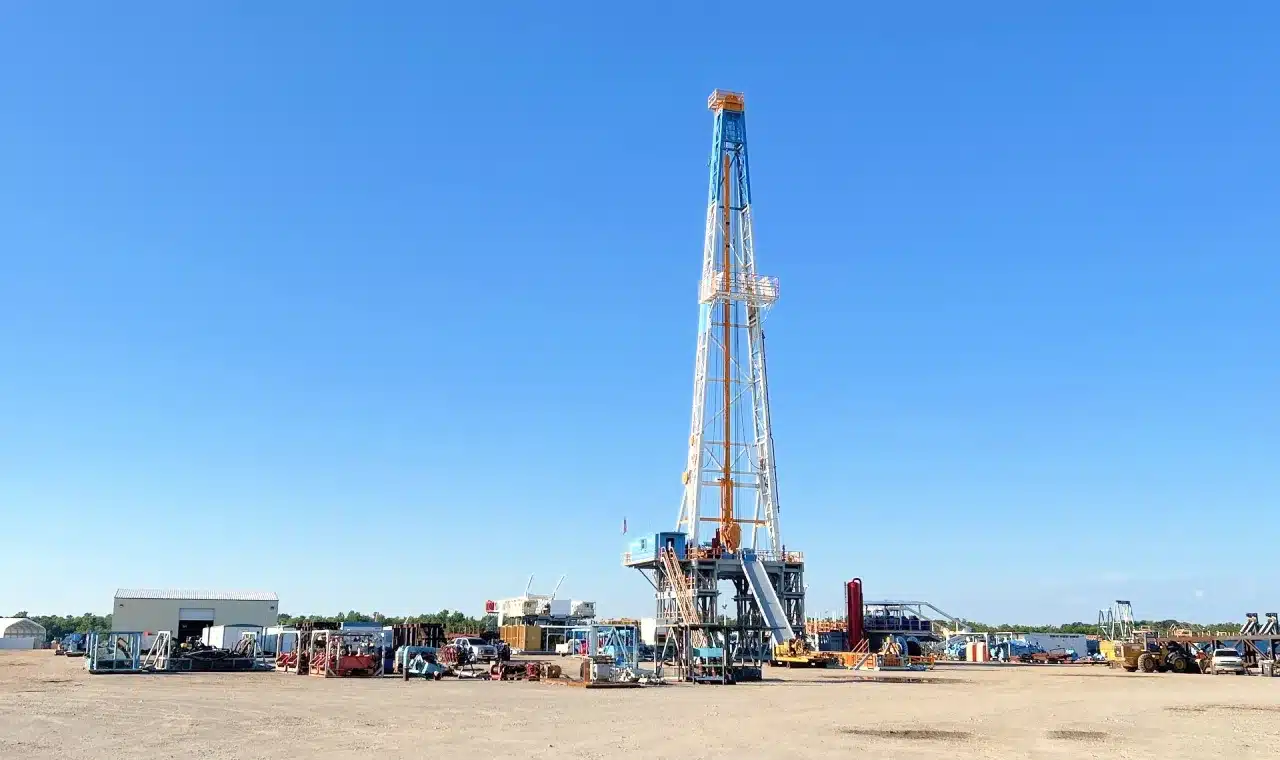
In the oil & gas world, most companies don’t rent a drilling rig like ordinary equipment. Instead, they contract a drilling contractor and pay a dayrate (plus other variable costs) for the rig, crew, and operating capability.
Typical land dayrates (U.S., recent benchmarks): super-spec rigs have been reported around $28,500/day on average, with actual rates moving up or down based on utilization, basin, and contract length.
Typical offshore dayrates (recent contract averages): reported average daily revenue for jackups has been roughly ~$99K–$128K/day, while drillships have been roughly ~$253K–$418K/day across recent quarters (contract mix matters).
When contracting on dayrate tends to win: short programs, uncertain schedules, or when you want the contractor to carry more operational risk.
When buying can make sense: long-term utilization (multi-year program), a specialized rig you can keep working, or when ownership fits your capital strategy.
Before comparing buy vs dayrate, confirm whether you’re comparing apples-to-apples: rig spec (horsepower / depth rating / automation), included services, mobilization terms, and who carries downtime risk.
What Dayrate Usually Covers (and What It Doesn’t)
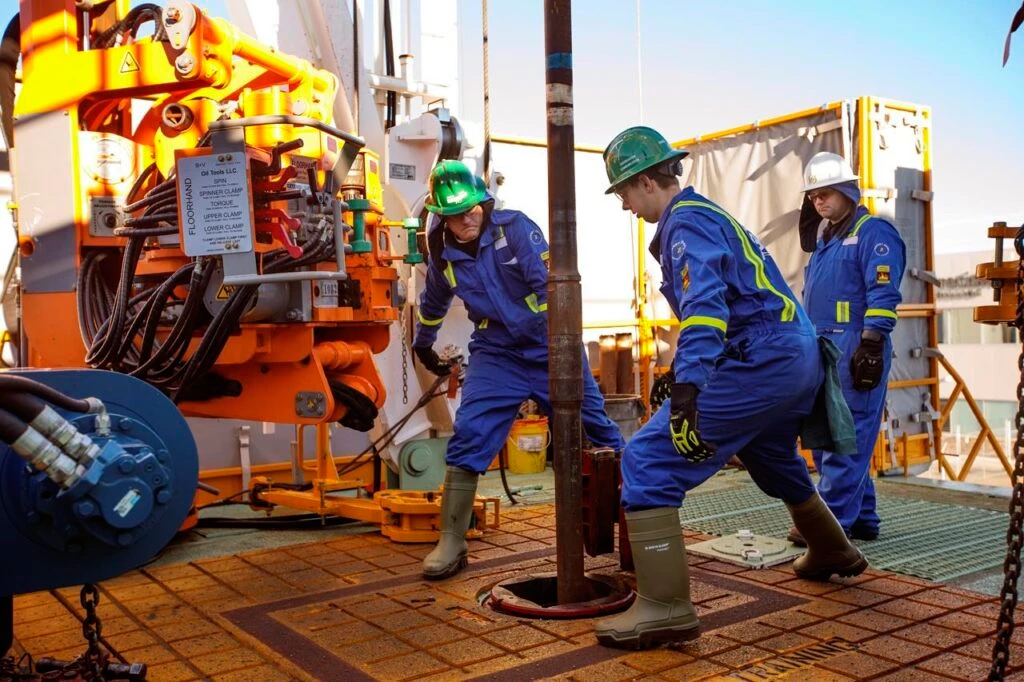
A dayrate is typically the price for the rig + crew + drilling capability under the contract. What gets billed outside the dayrate varies by contract, but commonly includes fuel, mobilization/demobilization, site logistics, drilling fluids, casing, cementing, directional services, and other third-party services.
That’s why “rig cost per day” can look reasonable, while total well cost is much higher.
Hidden Costs in Drilling Rig Ownership
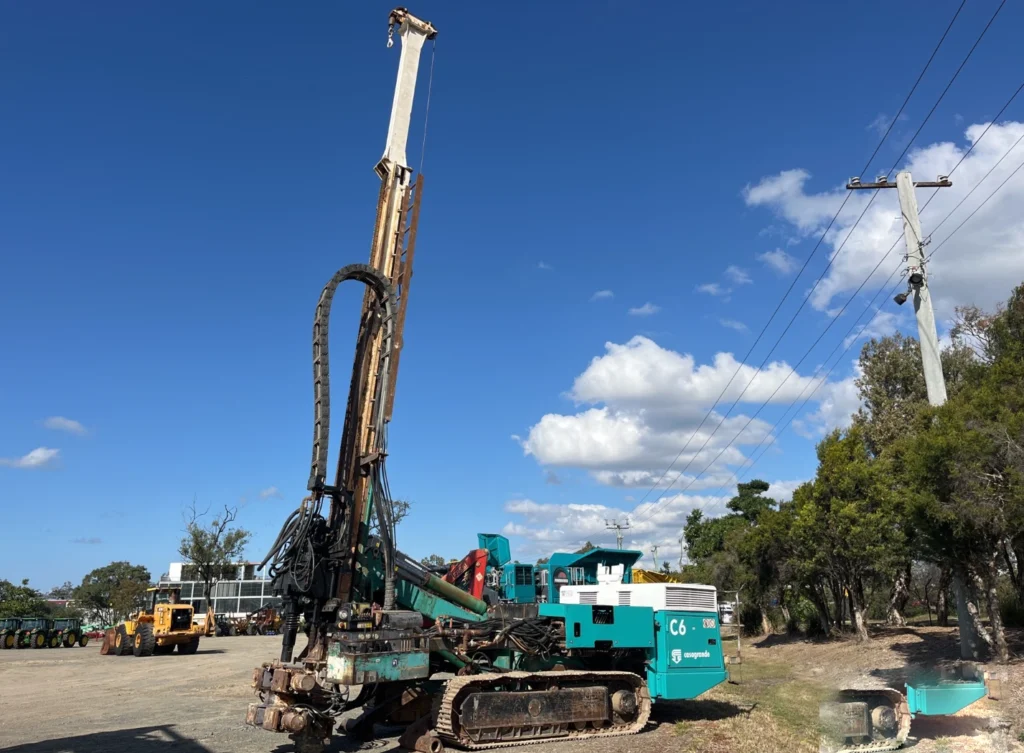
Owning a drilling rig has many hidden costs. One big one is the downtime cost. A 2009 survey showed some progress in reducing downtime. But, a rig's downtime can cost $100,000 to $200,000 daily.
Don't forget about mobilization and demobilization costs. These include the cost to move and set up the rig. Both in-house and outsourced teams handle these tasks. Outsourced teams might have the right gear, but managing them can be tricky.
Keeping the rig in good shape is key. Chevron found that BOPs and top drives cause a lot of downtime. So, Chevron spent $25 million on extra BOP stacks for their rigs.
Other hidden costs include:
- Insurance premiums
- Certification renewals
- Compliance with changing regulations
- Training costs for crew members
- Storage during inactive periods
By understanding these hidden costs, rig owners can plan better. This helps manage the true costs of owning and running a rig.
Financing Options for Drilling Rig Purchases
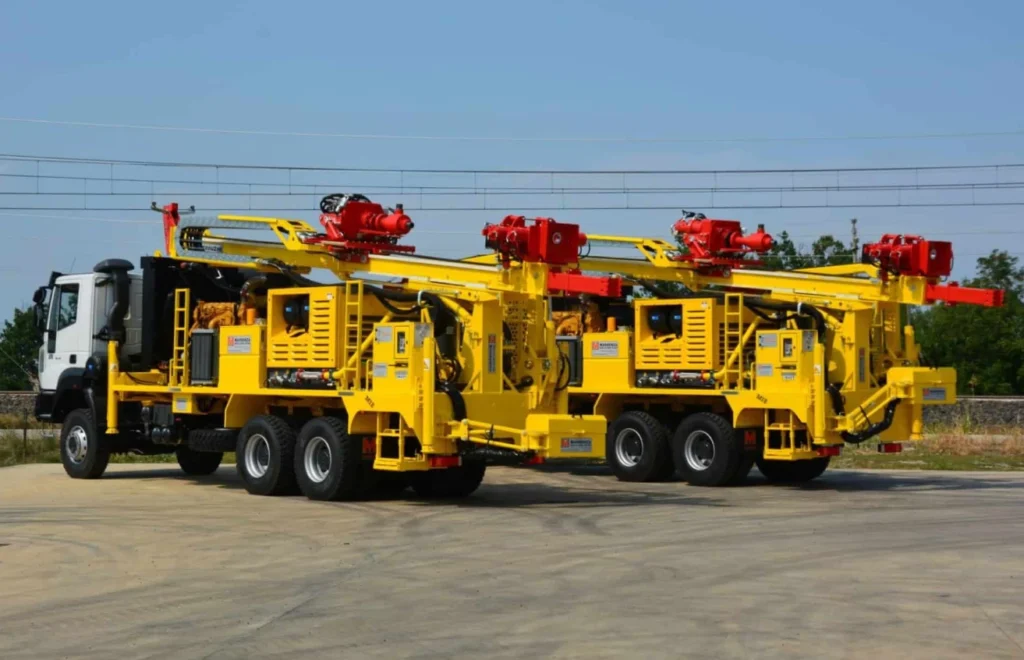
Drilling rig financing offers many ways for companies to get the equipment they need. The oil and mining sectors have special options that meet their unique needs. Let's look at the main financing paths for buying drilling rigs.
Traditional Bank Loans
Banks offer loans for buying drilling rigs, with good interest rates. You need a strong credit score and collateral. The process can take time, but 91% of applications get approved.
Equipment Leasing
Leasing lets you use advanced drilling tech without a big upfront cost. You can choose from Hire Purchase, Finance Lease, or Operating Lease. Leases offer flexible payment plans that fit your budget. Leasing terms for drilling rigs last from 24 to 84 months.
Vendor Financing
Some rig makers offer financing. This can be easier to get and might include maintenance deals. Some vendors can approve funding in just 2 business days.
| Financing Option | Key Benefit | Consideration |
|---|---|---|
| Traditional Bank Loans | Lower interest rates | Requires strong credit and collateral |
| Equipment Leasing | Flexible payment plans | Potential tax benefits |
| Vendor Financing | Easier to obtain | May include maintenance packages |
When picking a financing option, think about how it affects your rig management costs and long-term plans. Some lenders don't ask for upfront payments, and others offer $0 down deals. Remember, after the financing term, you own the equipment if you've made all payments.
Operational Expenses: Beyond the Initial Drilling Rig Cost
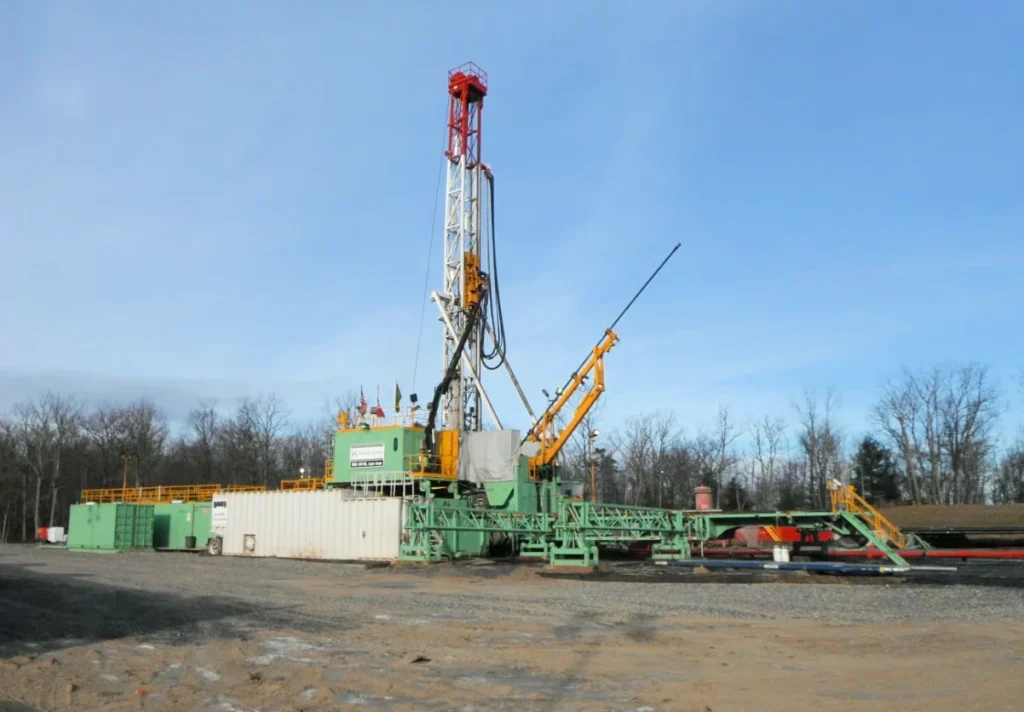
Looking at the total cost of a drilling operation means more than just the rig's price. Fuel costs for big rigs can add up quickly, as they run non-stop. For example, drilling a horizontal well can cost over $4 million and take about three weeks.
Another big expense is labor. The job needs skilled people, with 40-50 companies often involved. Getting the site ready can cost over $400,000. Moving and setting up the rig can cost between $100,000 and $350,000, depending on how far it needs to go.
Parts and supplies also add to the cost. Keeping the rig running smoothly means regular maintenance and new parts. Safety gear, training, and following environmental rules add to these costs. Offshore drilling is even more expensive, with initial costs in the billions and cleanup costs in the tens of billions after big spills.
Legal and safety costs are also a big part of the budget. This includes permits, licenses, insurance, and managing risks. These costs show how complex and expensive drilling operations are, far beyond the cost of the rig itself.
FAQ
How much does a drilling rig make per day?
Offshore drilling rigs typically earn between $200,000 and $600,000 per day, depending on the type of rig, location, and market conditions. Deepwater rigs and those operating in harsh environments generally command higher rates.
What are the costs of drilling?
The cost of drilling an oil well can range from $2 million to $20 million, depending on factors like the depth of the well, location (onshore vs. offshore), and rig type. Offshore wells, especially in deepwater, are significantly more expensive than onshore wells.
How much do oil rigs cost to construct?
Building an offshore oil rig typically costs between $500 million and $1 billion. The price varies based on the type of rig, water depth, and the complexity of its design and equipment. Deepwater rigs, which need more advanced technology, are at the higher end of this range.
How much does it cost to build a drillship?
Constructing a drillship can cost anywhere from $600 million to $1.5 billion. The high cost is due to the advanced technology required for deepwater drilling and the ability to operate in extreme conditions far offshore.